A backyard remodel is one of the most rewarding home improvement projects a homeowner can take on, but it is also one of the most complex. Unlike interior renovations that are contained within walls and predictable systems, outdoor spaces require careful coordination of terrain, drainage, materials, utilities, and long-term usability. Every decision influences how the space will function for years to come, from the initial layout to the finishing touches. Because of this, successful projects rarely happen by accident—they are the result of thoughtful planning, realistic budgeting, and a clear understanding of how each phase connects to the next.
Homeowners often begin with a vision that blends lifestyle goals with aesthetic preferences. Some imagine a space designed for entertaining guests, complete with open seating areas and outdoor cooking features. Others prioritize relaxation, privacy, or family-friendly recreation. While inspiration is important, translating ideas into a workable plan requires more than imagination. It involves evaluating the property’s existing conditions, identifying limitations, and understanding what is feasible within budget and space constraints. Without this foundation, even the most beautiful concepts can become difficult to execute.
Another important factor is timing. Outdoor projects are heavily influenced by weather, seasonal changes, and contractor availability. Planning ahead ensures that each phase flows smoothly without unnecessary delays. It also helps homeowners avoid costly mistakes, such as starting construction before utility planning or landscape preparation is complete. A structured approach allows each stage to build on the previous one, creating a cohesive final result rather than a series of disconnected improvements.
Communication also plays a central role. Homeowners must coordinate with multiple professionals, suppliers, and sometimes municipal offices depending on the scope of work. Miscommunication at any stage can lead to delays, unexpected costs, or design inconsistencies. Establishing clear expectations early helps prevent confusion later in the process. Whether working with designers, builders, or maintenance specialists, a shared understanding of the project goals ensures that everyone is aligned from start to finish.
Ultimately, a backyard transformation is not just about appearance—it is about function, comfort, and long-term value. A well-executed outdoor space can extend living areas, increase property appeal, and create a setting that enhances everyday life. With the right planning and attention to detail, homeowners can turn even the most ordinary yard into a purposeful and enjoyable environment.
Define Your Vision and Create a Realistic Plan
 A successful outdoor transformation begins with clarity of vision. Homeowners should first identify how they intend to use the space, whether for entertaining, relaxation, recreation, or a combination of purposes. This stage is about translating ideas into a structured plan that reflects both lifestyle needs and property limitations. Professional input from hardscaping contractors can be valuable here, as they help assess grading, drainage, and structural possibilities that may not be obvious during initial planning. Their expertise ensures that design concepts are grounded in practical execution, reducing the risk of costly changes later.
It is also important to consider how different zones of the yard will connect with one another. Walkways, seating areas, and functional spaces should flow naturally rather than feel disconnected. Early sketches or digital mockups can help homeowners visualize how the finished project will look and function. Establishing a realistic budget at this stage is equally important, since it influences material choices, design complexity, and the overall scope of the project. Having a clear roadmap from the beginning helps prevent miscommunication and ensures every phase supports the overall vision.
Additionally, incorporating elements that reflect personal style can enhance the overall ambiance and make the space uniquely yours. Consider adding decorative features like water fountains, outdoor lighting, or garden sculptures that align with your design theme. These personal touches not only add aesthetic value but also create a warm and inviting atmosphere for every visitor to enjoy.
Refresh the Landscape to Complement Your New Design
Once the overall structure is defined, attention shifts to the surrounding environment. Vegetation, soil health, and layout all play a role in how the finished space will feel and function. Integrating landscaping services early in the process helps ensure that plant selections, irrigation systems, and soil improvements align with the broader design. A well-balanced landscape enhances visual appeal while also supporting long-term maintenance efficiency. Strategic placement of greenery can also provide shade, privacy, and natural transitions between different outdoor zones.
Beyond aesthetics, soil preparation and drainage should not be overlooked. Even the most carefully selected plants will struggle if the ground conditions are poor. Proper grading and soil enrichment help ensure that vegetation thrives over time. This step also supports water management, reducing runoff issues and protecting other areas of the yard from erosion or pooling. A well-prepared landscape creates a strong foundation for the entire remodel.
Restore Existing Features Before Making Major Upgrades
Before introducing new elements, it is often necessary to evaluate and repair existing structures. Walls, walkways, patios, and outdoor structures may require attention to ensure safety and stability. Addressing masonry repair at this stage helps prevent structural issues from interfering with future improvements. Restoring these elements also preserves valuable parts of the existing landscape, reducing unnecessary replacement costs while maintaining continuity in the overall design.
Repairing existing features can also improve the overall aesthetic without requiring full reconstruction. Cleaning, sealing, or resurfacing older materials often restores their original appearance and extends their lifespan. This approach allows homeowners to allocate more of their budget toward new upgrades rather than replacing structures that still have usable life. It also ensures that older and newer elements blend together more seamlessly in the final design.
Keep Mature Trees Healthy Throughout the Project
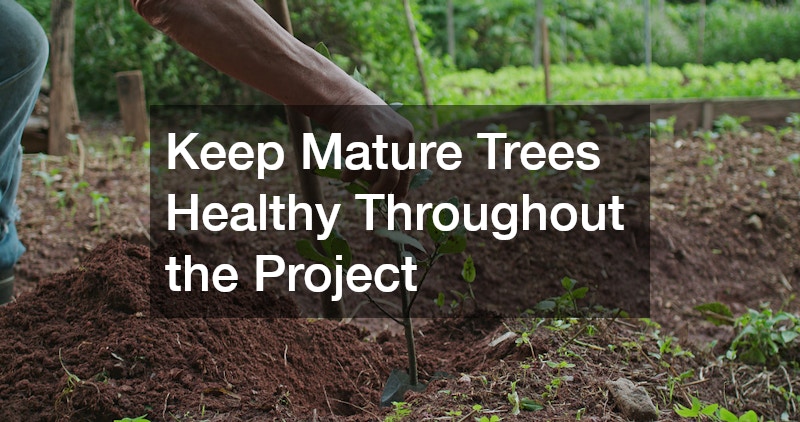
Trees are often among the most valuable assets in a yard, providing shade, character, and environmental benefits. However, they require ongoing care during any major renovation. Regular tree maintenance ensures that healthy trees remain stable and do not suffer damage from construction activity. Proper trimming, root protection, and monitoring help preserve their long-term health while allowing other improvements to proceed safely around them.
Construction activity can easily stress mature trees if precautions are not taken. Soil compaction, root disturbance, and changes in water flow can all impact tree health. Protective barriers and careful site planning help minimize these risks. Maintaining healthy trees during a remodel not only preserves natural beauty but also contributes to long-term property value and environmental balance.
Remove Trees That Limit Space or Create Safety Concerns
In some cases, trees may need to be removed to accommodate new designs or eliminate hazards. Tree removals should always be approached carefully, with consideration for surrounding structures and soil conditions. Removing the right trees can open up usable space, improve sunlight exposure, and reduce future maintenance challenges. It is important that this process is handled with precision to avoid unintended damage to the remaining landscape.
Homeowners should also evaluate how tree placement affects future construction plans. Some trees may interfere with foundations, utilities, or planned features if left in place. Strategic removal early in the process prevents costly redesigns later. It also allows for better spacing and improved functionality in the redesigned outdoor environment.
Eliminate Old Stumps for a Clean Foundation
After trees are removed, leftover stumps can create obstacles for construction and landscaping. Stump removal ensures that the ground is level, safe, and ready for new installations. Leaving stumps in place can lead to uneven surfaces, pest issues, or interference with underground systems. Clearing them properly creates a clean foundation for future enhancements and improves overall usability of the space.
Removing stumps also helps prevent regrowth and unwanted root expansion. Over time, leftover root systems can disrupt hardscape elements or damage nearby structures. By fully clearing the area, homeowners ensure that new installations remain stable and unaffected by remnants of previous landscaping decisions.
Add a Swimming Area That Fits Your Lifestyle

A pool can become the centerpiece of a backyard design, offering both recreational and aesthetic value. Pool installation requires careful coordination of excavation, plumbing, electrical systems, and safety considerations. Homeowners should consider how the pool will be used, whether for exercise, entertainment, or relaxation, and design accordingly. Proper placement within the yard ensures balance between open space and functional areas. Creative landscaping around the pool can enhance privacy and visual appeal, making the area a personal oasis.
Long-term usability should also guide design decisions. Depth, shape, entry points, and surrounding space all influence how the pool will be enjoyed. Planning for future maintenance access is equally important, as equipment must remain reachable without disrupting the surrounding design. A well-integrated pool becomes a lasting focal point that enhances the entire property. Incorporating energy-efficient components can also reduce operational costs and environmental impact over time.
Choose Durable Materials for Surrounding Surfaces
The area surrounding a pool plays a major role in both safety and visual appeal. Selecting pool deck pavers that are durable, slip-resistant, and weather-resistant helps ensure long-term performance. These materials must withstand exposure to water, sunlight, and heavy foot traffic while maintaining their appearance. Thoughtful selection contributes to both comfort and style, tying the entire outdoor space together. Innovative designs can incorporate contrasting patterns and colors to create a unique and appealing poolside environment.
Material choice also impacts temperature and comfort. Some surfaces retain heat more than others, which can affect usability during warmer months. Proper selection balances durability with comfort, ensuring the space remains enjoyable throughout the year. The right surface materials also reduce maintenance demands and extend the lifespan of the surrounding structure. Choosing cooler-toned materials could prevent overheating and enhance comfort during peak summer days.
Create a Comfortable Outdoor Space With Added Protection
Outdoor comfort often depends on protection from sun, insects, and weather conditions. Installing screen enclosures can significantly extend the usability of a backyard by creating a sheltered environment. These structures allow homeowners to enjoy fresh air while minimizing exposure to pests and harsh elements. They also help protect furniture and reduce maintenance needs over time. Additionally, integrating retractable shade systems can provide flexibility and enhance user experience.
Screen enclosures also help define outdoor living areas, creating a sense of structure and separation without fully enclosing the space. This allows for airflow while maintaining comfort and usability in changing weather conditions. They can also increase property value by adding functional square footage to outdoor living areas. In upscale markets, adding such features could be a key differentiator, enhancing the property’s desirability among potential buyers.
Complete Your Backyard With a Relaxing Wellness Feature

To finalize the transformation, many homeowners choose to include a feature that promotes relaxation and wellness. A hot tub can provide year-round enjoyment, offering a space for stress relief, social gatherings, or therapeutic benefits. When integrated thoughtfully into the overall design, it becomes a natural extension of the outdoor living area, enhancing both functionality and comfort.
Placement and privacy are key considerations for this feature. It should be positioned for easy access while maintaining a sense of seclusion and relaxation. Lighting, surrounding landscaping, and nearby seating can further enhance the experience. When carefully incorporated, it becomes a defining feature that completes the backyard transformation.
A backyard remodel is a layered process that requires careful planning, coordination, and attention to detail. Each stage builds on the last, from defining the initial vision to refining the smallest finishing elements. When approached strategically, the result is more than just an updated outdoor space—it becomes a functional extension of the home that supports daily living, recreation, and relaxation. By working through structural planning, landscape integration, repairs, vegetation management, and feature installation in a logical sequence, homeowners can avoid common setbacks and achieve a cohesive design that stands the test of time.
The value of such a transformation extends beyond aesthetics. A well-planned backyard can improve property usability, increase long-term value, and create a personal retreat that enhances quality of life. It provides space for gathering, reflection, and enjoyment in ways that indoor environments often cannot replicate. With thoughtful execution and attention to each phase of development, homeowners can turn even an underutilized yard into a purposeful, inviting, and lasting outdoor environment that continues to deliver benefits for years to come.