Buying a home is one of the most significant investments you will ever make. While most buyers focus heavily on interior remodeling, updates, and deep cleaning before moving their belongings into a new property, the home exterior is just as critical. Your home exterior serves as the first line of defense against environmental elements, moisture, temperature fluctuations, and pests. Addressing exterior repairs and upgrades before your official move-in date ensures that your home is secure, energy-efficient, and visually appealing from day one. Taking care of these major tasks ahead of time prevents logistical disruptions, protects your property value, and offers total peace of mind as you transition into your new space.
Roof and Structure Maintenance
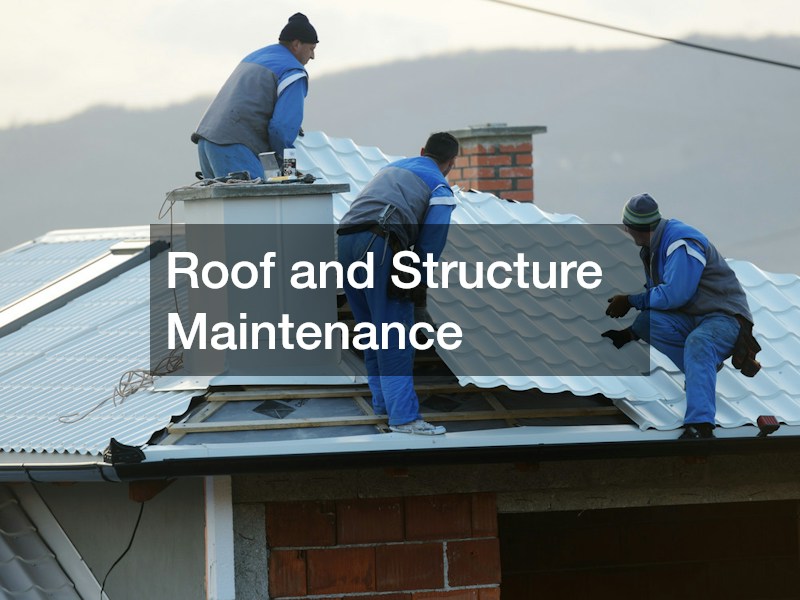
The roof is arguably the most vital protective element of any home. Ensuring its structural integrity before settling in prevents catastrophic leaks and costly interior damage.
- Perform a preliminary attic inspection to look for sunlight pinholes, water stains, or damp insulation before climbing onto the roof.
- Check the age and structural condition of the chimney flashing, plumbing vents, and outdoor exhaust caps for deterioration.
Inspecting Shingles and Flashing
Before moving your furniture into the home, perform a thorough visual assessment of the roofing system. Look for cracked, curling, or missing shingles, as well as degraded flashing around chimneys, skylights, and vent pipes. Addressing minor roofing issues early prevents water from penetrating the underlying decking and entering your living spaces. Working with a qualified local roof repair specialist allows you to catch hidden structural vulnerabilities, seal loose flashing, and replace compromised shingles before torrential rain or heavy snow causes interior ceiling damage.
- Look out for excess asphalt granules gathering inside downspouts, as this indicates aging, vulnerable shingles.
- Ensure all roof ventilation pathways are clear of bird nests, leaves, and structural debris to prevent heat buildup.
Evaluating Structural Foundation Walls
Examine the foundation walls surrounding the exterior of your home for vertical or horizontal cracks. Foundation settlement can cause major structural instability, leading to misaligned door frames, cracked drywall, and water intrusion. Small hairline cracks can often be sealed with waterproof masonry sealants, but wider fissures require professional structural evaluation. Fixing these exterior foundation concerns early ensures that your home rests on a solid, stable frame before you bring in heavy furniture and belongings.
Gutters and Drainage Management
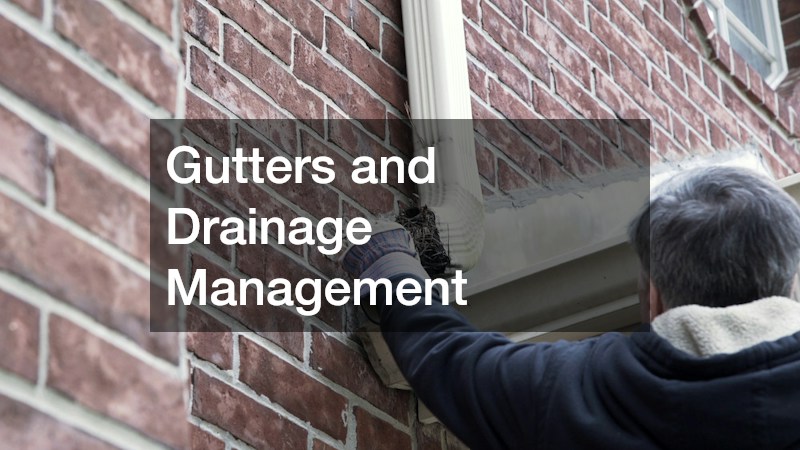
Proper drainage systems direct stormwater away from your foundation, protecting your landscaping, basement, and siding from severe water damage.
- Inspect all gutter brackets and hidden hangers to confirm they are securely anchored to the fascia boards.
- Check for signs of standing water or pooling beneath downspout exits that could indicate poor slope or blockages.
Clearing and Upgrading Water Runoff Systems
Clogged, rusted, or sagging gutters prevent rainwater from flowing freely, causing water to pool along the roof edge and cascade down the exterior walls. Before moving in, ensure that all gutters and downspouts are thoroughly cleaned, re-attached securely, and angled correctly for optimal pitch. Contracting established gutter companies to install seamless aluminum gutters or protective leaf guards can drastically reduce ongoing maintenance, ensuring that heavy rains flow safely away from your home’s foundation without eroding the surrounding soil.
- Verify that downspout extensions discharge water at least five to six feet away from your main foundation.
- Test the flow of water with a garden hose to identify minor leaks or sagging points along long gutter spans.
Grading Soil and Installing French Drains
Water management extends beyond the roofline down to the grade of your yard. Check the pitch of the soil surrounding your foundation to verify that it slopes downward away from the house. If soil grading is inadequate, rainwater can accumulate against basement walls, causing severe basement seepage and mold growth. Installing buried downspout extensions or French drains redirects high volumes of water into designated drainage areas, keeping your basement completely dry before you store personal items downstairs.
Exterior Walls and Siding Renewal
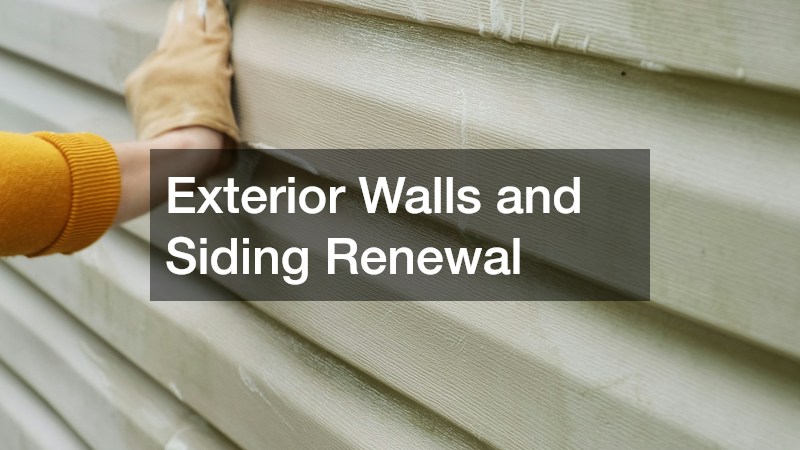
The exterior walls define the architectural character of your home while shielding the interior framing from rain, wind, and severe weather.
- Wash down exterior wall surfaces to clear away built-up dirt, mildew, pollen, and insect webs before making repairs.
- Inspect the perimeter seams around electrical boxes, hose bibs, and dryer vents for missing exterior sealant.
Repairing Damaged Siding Panels
Whether your home features vinyl, wood composite, fiber cement, or aluminum siding, inspect every side of the exterior for signs of wear, impact damage, or rot. Cracked vinyl panels let moisture seep behind the wall envelope, while rotting wood siding invites wood-boring insects. Replacing damaged boards, sealing open seams with exterior-grade caulk, and repairing loose trim prevents moisture retention and improves the insulation performance of your outer walls before you unpack your household items.
- Check for soft spots in exterior wood trim boards using a screwdriver to test for underlying rot.
- Ensure adequate clearance between the bottom edge of your exterior siding and the top of the ground soil line.
Refreshing Curb Appeal with Professional Paint
A fresh coat of exterior paint does far more than elevate curb appeal; it provides a protective barrier against ultraviolet rays, wind-driven rain, and extreme temperature changes. Hiring skilled exterior painting contractors allows you to completely transform the look of your home while ensuring proper surface preparation, scraping, priming, and application. Professional painters use high-performance coatings that protect wood, stucco, and masonry surfaces from premature degradation, giving your home a brand-new appearance before you move in.
Windows, Doors, and Entryways

Windows and exterior doors affect both the security and the energy efficiency of your living environment. Upgrading seals and hardware ensures a tight, secure building envelope.
- Test the double-hung or sliding operation of each exterior window to ensure smooth movement and proper locking.
- Check glass panes for broken thermal seals, which present as permanent fogging or condensation between panes.
Sealing Gaps Around Windows and Trim
Gaps around exterior window frames allow air leaks, moisture intrusion, and drafty indoor conditions. Walk the perimeter of the property to inspect the condition of old caulk and weatherstripping around windows and door trim. Scraping away dried, cracked caulk and applying high-grade silicone sealant closes thermal leaks, reduces noise transmission from the street, and lowers monthly heating and cooling bills right from your very first week in the home.
- Examine window screens for small tears or bent frames that could allow insects to enter during warmer months.
- Install high-durability drip caps over exterior window headers to deflect rain away from glass frames.
Reinforcing Entry Doors and Exterior Hardware
Exterior doors serve as the main defense for your home security while making a major contribution to overall curb appeal. Inspect the wooden framing, hinges, deadbolts, and threshold seals on front, side, and garage entry doors. Sanding down swollen wood, repainting weathered surfaces, and upgrading outdated locksets provides maximum security before you store high-value items inside. Installing durable threshold sweeps prevents drafts, dust, and crawling insects from invading your living area.
Outdoor Living and Entertainment Areas
Outdoor living spaces expand your functional footprint, offering dedicated areas for relaxation, dining, and family gatherings during warmer months.
- Check support posts, joists, and structural beam connectors under elevated decks for rust or metal fatigue.
- Verify that step risers, deck stair treads, and handrails are firmly anchored and structurally stable.
Restoring Decks and Patio Surfaces
Wooden decks and stone patios suffer significant wear from sun exposure, snow, and rain. Check wooden deck boards for splinters, pops in nail heads, loose railings, and soft spots that indicate structural rot. Sanding down rough surfaces and applying a protective water-resistant stain revitalizes the wood while preventing premature deterioration. If your patio consists of concrete pavers or flagstone, re-sanding joints and replacing cracked stones creates a safe, smooth outdoor surface for patio furniture.
- Clean stone patios with appropriate eco-friendly masonry wash solutions to remove stubborn moss and lichen.
- Fill gaps between concrete patio slabs with expanding joint sealants to prevent weed growth and winter frost damage.
Upgrading Water Features and Recreational Facilities
If your new property includes a backyard swimming pool, spa, or expansive water feature, detailed inspection and maintenance are essential before use. Check pool liners, tile borders, pumps, and filtration systems to ensure complete operational safety and hygienic water circulation. Engaging a reliable local local swimming pool contractor to test water chemistry, service mechanical pumps, and repair surface tile cracks guarantees that your backyard pool is clean, safe, and ready for immediate enjoyment without post-move maintenance delays.
Landscaping and Hardscaping Enhancements
A well-designed landscape framework highlights your home’s architectural features while improving water flow and outdoor usability.
- Locate underground utility lines before doing any heavy digging, tree planting, or grading work in your yards.
- Remove dead vegetation, dried leaves, and hazardous brush away from the main structure to improve fire safety.
Trimming Overhanging Trees and Vegetation
Overhanging tree branches pose a direct hazard to your roof, gutters, and power lines during storms. Heavy branches dropping leaves and debris can clog gutter channels or scratch siding materials. Prune back large tree limbs that extend over the roof deck or brush against exterior walls. Clearing away dense shrubbery planted too close to the home improves air circulation along the siding, deters pests, and prevents moisture accumulation against exterior walls.
- Apply fresh wood mulch around garden beds to retain soil moisture, suppress weeds, and buffer plant roots.
- Edge planting beds cleanly to create clear boundaries between turf grass, hardscape paths, and mulched gardens.
Designing Functional Retaining Walls and Walkways
Hardscape elements structure your property layout, prevent soil erosion, and create easy pathways between entryways, driveways, and backyards. Cracked or uneven walkways present tripping hazards for family members and movers carrying heavy items during move-in day. Investing in expert hardscaping services enables you to repair cracked concrete, build sturdy retaining walls, lay stone pathways, and create structured outdoor spaces that stand up to heavy foot traffic and changing seasonal weather conditions.
Property Perimeter and Security Boundaries
Establishing clear, secure boundaries protects your family, keeps pets safe, and defines clear property lines with neighboring properties.
- Check property line land surveys to confirm exact boundary lines before completing major perimeter structures.
- Inspect gate latches, self-closing spring hinges, and locking hardware to verify smooth and reliable operation.
Repairing and Staining Property Enclosures
A secure boundary enclosure provides immediate privacy, noise reduction, and security for your yard. Inspect the posts, rails, pickets, and gates around the entire perimeter of your property for leaning sections, rusted hinges, or loose boards. Securing sturdy fencing keeps domestic pets safely contained within the yard while keeping unwanted wildlife out. Staining wooden pickets or sealing metal enclosures protects materials against rot and rust, extending their lifespan for years to come.
- Clear heavy weed growth, vine webs, and soil accumulation away from the base of perimeter boards.
- Anchor loose support posts in fresh concrete footings to keep perimeter barriers upright during strong winds.
Exterior Lighting and Motion Sensors
Illuminating exterior pathways, driveways, and entry points enhances nighttime security and improves safety after dark. Install low-voltage LED landscape lights along front walkways, and mount motion-activated security floodlights near garage doors and side entrances. Proper exterior lighting ensures that delivery personnel, visitors, and movers can navigate your outdoor pathways safely without risking trips or stumbles over steps and garden borders.
Supply Preparation and Project Coordination
Executing exterior home repairs efficiently requires careful planning, proper material selection, and strategic scheduling before your physical moving day arrives.
- Review manufacturer warranties on exterior paints, sealants, and roofing shingles before buying your supplies.
- Create a master schedule of all exterior work to avoid overlapping trades working in the same yard areas.
Sourcing High-Quality Exterior Paint and Finishes
Achieving durable, professional-grade results on exterior surfaces requires choosing top-tier paints, primers, and masonry coatings. Visiting dedicated paint stores allows you to consult with color specialists, review weather-resistant coatings, and select formulations specifically designed for wood, stucco, or metal surfaces. High-performance paints resist fading, blistering, and chalking, ensuring that your home maintains its vibrant, beautiful finish despite exposure to intense sunlight, rain, and snow.
- Test paint color samples directly on small sections of exterior wall to view them under natural daylight.
- Purchase extra matching paint, caulk, and sealant containers to keep on hand for quick future spot repairs.
Coordinating Contractors Around Your Move Date
Timing is everything when completing major exterior home improvements prior to moving in. Schedule heavy construction projects, such as roofing overhauls, siding replacements, and masonry work, well in advance of your official move-in date. Having active construction work happening simultaneously with offloading furniture creates severe safety risks, driveway blockages, and unnecessary stress. Completing noisy, messy exterior work beforehand ensures a clean, peaceful arrival at your new residence.
Professional Moving Logistics and Exterior Safety
Protecting your newly repaired home exterior during the physical relocation process requires clear communication and cautious handling of bulky items.
- Cover outdoor stair railings and entry banisters with heavy moving blankets or foam wraps to avoid scrapes.
- Reserve clear parking zones on the street or driveway for moving vans to avoid driving onto delicate lawn turf.
Safeguarding Driveways, Porches, and Entry Gates
On move-in day, large moving trucks, heavy equipment, and constant foot traffic can inadvertently damage driveways, lawns, porch railings, and door frames. Lay down temporary protective floor runners across stone porches, wrap door jambs with padded blankets, and keep narrow entry gates propped open securely. Informing your chosen residential movers about newly painted surfaces, fresh landscaping, or fragile hardscaping features encourages greater care as heavy furniture, crates, and appliances are carried inside.
- Post temporary signs near freshly painted doors, railings, or wet masonry work to prevent accidental contact.
- Clear all overhead tree limbs along the driveway path so large moving vans can park close to entryways.
Streamlining Move-In Day Operations
Hiring experienced moving services streamlines the relocation process, allowing you to focus on settling into your newly renovated home. Professional crews possess specialized ramps, dollies, and straps designed to transport heavy items safely across lawn surfaces, exterior steps, and tight entryways. Relying on reputable local moving companies ensures that your belongings arrive safely while your newly upgraded exterior siding, entryways, and hardscape pathways remain entirely scratch-free throughout the entire moving day process.
Completing exterior repairs before taking up residence is one of the smartest homeownership decisions you can make. By repairing your roof, cleaning gutters, updating siding, restoring outdoor spaces, and securing your property boundaries beforehand, you create a safer, more resilient, and visually stunning home environment. Eliminating exterior maintenance tasks ahead of time allows you to move your family into a comfortable, secure space without the clutter, noise, and disruption of ongoing construction projects. Take the time to evaluate your property exterior today, plan your repairs strategically, and enjoy the true comfort of a fully restored home from the moment you step through the front door.