First impressions happen long before anyone steps through the front door. When potential buyers drive up to a property, or when you pull into your own driveway after a long workday, the exterior tells an immediate story. Within the first seven seconds, an observer has already formed a distinct mental impression of how well a home has been cared for, how modern it feels, and how much work it might require down the road.
While interior remodels often steal the spotlight in popular home improvement media, financial realities tell a different story. Year after year, real estate data demonstrates that exterior upgrades consistently yield some of the highest returns on investment. Fixing deferred structural maintenance and improving curb appeal frequently recoup a significantly higher percentage of their costs at resale than high-end kitchen overhauls or lavish bathroom upgrades. A stunning kitchen cannot compensate for a sagging roof, drafty entryways, or a muddy, unkempt front yard.
Many homeowners fall into the trap of pouring tens of thousands of dollars into indoor finishes while ignoring the outer shell of their property. This mistake can lead to disappointing appraisals, prolonged time on the market, and aggressive price concessions during inspection negotiations. A holistic approach to your property’s exterior protects your investment, lowers monthly utility bills, and builds long-term equity. By making strategic, targeted improvements across your property, you can turn a tired facade into a standout architectural asset.
Bolstering Structural Integrity and Weatherization Overhead
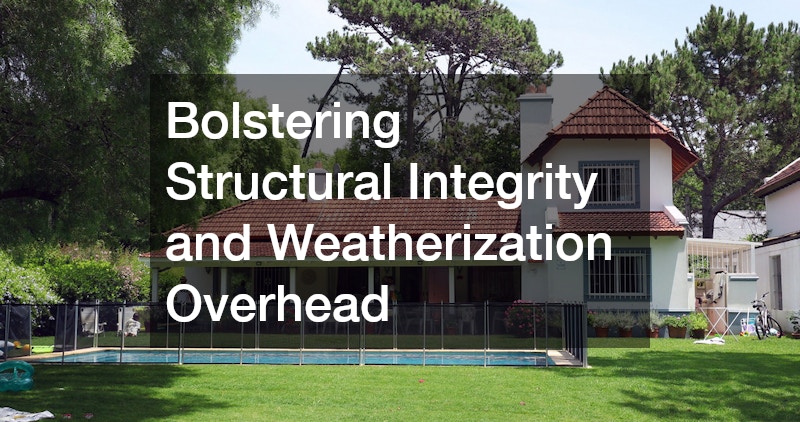
Taking care of the structure protecting your home from above is the foundational baseline of all property value. If the top of the house fails, everything beneath it is at risk. Buyers and home inspectors always look up first, looking for signs of deferred maintenance, water intrusion, or structural decay.
When assessing the state of your upper structure, start by taking a close look at the individual materials covering the surface. Over time, exposure to extreme heat, heavy rains, and freezing temperatures breaks down structural elements. Granules begin to wash away into the gutters, edges start to curl upward, and individual pieces can crack or blow off entirely during seasonal storms. Ignoring these minor signs of wear invites moisture into the decking below, leading to rot, interior ceiling stains, and compromised insulation. Catching these issues early and arranging for quick shingle replacement prevents minor leaks from escalating into thousands of dollars in water damage.
Eventually, spot repairs are no longer enough to maintain the structural safety of the building. When a system reaches the end of its useful lifespan—typically between twenty and thirty years depending on the material—piecemeal patches become a money pit. Transitioning to a full roof replacement provides immediate peace of mind and dramatically increases a home’s appraisal value. Prospective buyers love seeing a brand-new overhead system because it signals that they will not face a massive, unexpected capital expenditure for decades to come. Modern materials also offer superior wind resistance and improved thermal reflection, which can lead to lower home insurance premiums and reduced cooling costs during hot summer months.
Beyond immediate structural safety, high-grade overhead materials protect secondary exterior investments like fascia, soffits, and gutter networks. When an aging top surface sags or overflows, water cascades down fascia boards, rotting the wood and causing paint to peel prematurely. By pairing a new upper structural layer with continuous aluminum gutters and hidden hangers, you ensure that torrential rains are channeled completely away from your siding and foundation walls. This top-down protection keeps your entire exterior profile clean, rot-free, and structurally resilient for decades.
Upgrading Entryways and Window Systems for Energy Efficiency
Once the top of the house is secure, the next logical focus area is the thermal envelope. The doors and windows across your facade play a dual role: they define the home’s architectural character and serve as the main barrier against heat transfer and air leakage.
Selecting High-Impact Front Entrances
Your primary entryway serves as the focal point of your home’s front profile. An outdated, damaged, or poorly fitting front door drags down the aesthetic of the entire house and allows costly conditioned air to escape. Investing in a professional door installation gives you the opportunity to upgrade both security and insulation simultaneously. Modern fiberglass and steel doors feature advanced polyurethane foam cores and precision weatherstripping that far outperform older wooden models. Selecting a design that features multi-point locking mechanisms, contemporary hardware, and strategic glass accents instantly modernizes the building while offering maximum energy performance.
Transitioning to Outdoor Living Spaces
Moving to the rear of the home, the connection between your interior living area and your backyard plays a massive role in how spacious the property feels. A heavy, sticky, or drafty back door creates a physical and visual barrier that makes a house feel closed off. Upgrading to a custom patio door installation bridges the gap between indoor comfort and outdoor relaxation. Modern sliding glass units and multi-slide French door systems feature advanced double or triple-pane Low-E glass that blocks destructive ultraviolet rays while flooding interior rooms with natural sunlight. Smooth, energy-efficient access to decks and patios creates a fluid layout that modern buyers actively seek out.
Maximizing Energy R-Values and Seal Integrity
Upgrading these envelope entry points yields dividends that go far beyond aesthetics and smooth mechanical operation. High-efficiency glass packages and thermally broken frames drastically increase your home’s overall R-value, preventing conductive heat gain during scorching summer months and stopping costly interior warmth from leaking out in the dead of winter. Additionally, proper perimeter flashing and expandable acoustic foam insulation installed during mounting prevent hidden draft corridors from developing behind the decorative casing, ensuring quiet, whisper-still interior acoustics even if your home faces a busy street or urban thoroughfare.
Balancing Architectural Character with Modern Climate Controls
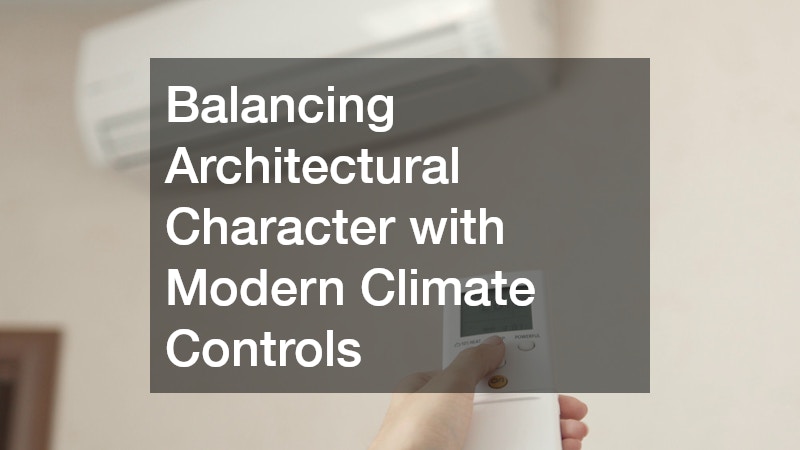
Renovating a home exterior is not always about replacing everything with brand-new, mass-produced materials. Homes with unique architectural history require a delicate balance between preserving original craftsmanship and incorporating modern comfort technologies.
On one side of this spectrum sits historical character. Many older homes feature custom decorative windows that give the facade distinct personality and warmth. Over decades, however, lead cames can weaken, wooden frames can rot, and delicate colored panels can bow or crack. Rather than tearing out these irreplaceable historical elements, investing in careful stained glass restoration honors the original architecture while stabilizing the structure. Professional restoration experts can clean, relead, and seal historical panels, often mounting them behind clear, protective storm glazing. This preserves the home’s unique curb appeal while eliminating draftiness and protecting delicate artwork from severe weather.
On the other side of the spectrum sits modern performance. While historic details provide charm, modern living demands precise climate control. Integrating smart technology onto window systems allows you to manage solar heat gain effortlessly. Installing a high-performance motorized window treatment on prominent, sun-exposed windows gives you automated control over light and temperature. With the click of a button or through a pre-programmed smartphone schedule, these treatments drop during peak afternoon heat to block harsh radiation before it warms your interior spaces. This significantly reduces the strain on your air conditioning unit, lowers utility bills, and prevents furniture from fading, all while adding a touch of modern luxury that appeals directly to tech-savvy home buyers.
Combining these historic and modern approaches creates a compelling contrast that appeals to high-end buyers. Preserving original craftsmanship signals that the property possesses unique character and heritage, while integrating discrete automated solar controls proves that the home offers all the effortless convenience of twenty-first-century living.
Expanding Functional Outdoor Living and Lounging Spaces
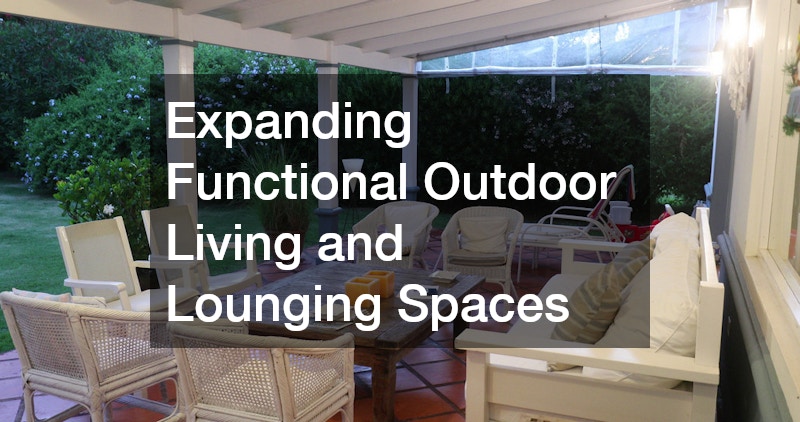
Modern homeowners view their yard as an extension of their interior square footage. Transforming raw yard space into clean, comfortable, multi-season living zones dramatically increases the perceived size and functionality of your property.
Designing All-Weather Outdoor Rooms
Unprotected back porches and open decks are often unusable during rainy weather or peak insect season. Adding structural screen enclosures converts underutilized outdoor platforms into functional, bug-free living spaces that can be enjoyed nearly year-round. These structures protect patio furniture from dirt, rain, and UV degradation, making outdoor hosting effortless. When building an enclosure, ensure the framing matches the architectural style and color palette of your home’s trim. Adding integrated ceiling fans, recessed lighting, and outdoor-rated heaters turns an ordinary porch into a cozy, three-season room that adds tangible lifestyle value.
Implementing Low-Maintenance Ground Covers
Underneath your outdoor living structures, ground surfaces heavily dictate how much weekend labor your yard demands. Natural grass lawns in high-traffic, heavily shaded, or drought-prone areas often turn into patchy, muddy eyesores despite constant watering and fertilizing. Installing premium artificial turf flooring creates a lush, green, perfectly manicured look year-round with zero mowing or chemical treatments.
To execute a successful installation that adds value, proper site preparation is critical:
- Excavate the existing sod and topsoil to a depth of three to four inches to clear out organic matter.
- Cap any disused sprinklers and grade the underlying soil away from the home’s foundation.
- Lay down a sturdy geotextile weed barrier fabric to prevent future growth from pushing up through the surface.
- Spread a compactable aggregate base layer, compacting it thoroughly to ensure a smooth, stable foundation.
- Roll out the synthetic turf, carefully seaming the edges and securing them with non-galvanized landscaping staples.
- Spread an antimicrobial, heat-reducing infill across the surface and brush the fibers upright for a natural finish.
Elevating Outdoor Comfort and Entertainment Value
These outdoor extensions function as dynamic living areas where families cook, work remotely, and entertain guests. Incorporating composite decking, exterior ambient lighting, and weather-resistant sound systems around your outdoor spaces turns an uninspired yard into an active lifestyle destination. When prospective buyers step into an enclosed porch or view a flawless synthetic lawn, they do not just see property square footage; they envision weekend dinners, morning coffee routines, and stress-free entertaining without the burden of endless lawn maintenance.
Optimizing Grounds, Drainage, and Exterior Utility Infrastructure
A visually stunning exterior can quickly lose its appeal if basic maintenance is neglected or underground utilities fail. Protecting your property value requires addressing the foundational infrastructure and grounds that support the entire ecosystem of your home.
Consider the contrast between a neglected property and a well-maintained exterior infrastructure:
Imagine walking up to a house where massive oak branches rest heavily on the roofline, dropping leaves that clog the gutters and cause water to cascade down the siding. The garden beds are choked with weeds, and an overgrown root system has pushed up the concrete walkway. On top of that, an ancient, leaky outdoor hose bib continuously drips, creating a permanent mud puddle right next to the foundation wall. An inspector visiting this property immediately starts looking for hidden rot, foundation settling, and subterranean water damage. The buyer sees a list of expensive chores and potential structural threats.
Now consider that same property after a comprehensive refresh. The trees are neatly trimmed back, leaving a clear safety zone around the roof and siding. The garden beds feature crisp, clean edges, fresh dark mulch, and hearty perennial plants that frame the home’s architectural lines. Consistent landscape maintenance keeps the grounds looking immaculate while ensuring roots do not threaten buried utility lines or concrete pathways.
Furthermore, calling in a licensed local plumber to inspect and upgrade the exterior plumbing infrastructure transforms hidden liabilities into selling points. Replacing worn shut-off valves, installing frost-proof outdoor faucets, and running camera inspections down the main sewer line guarantees that rainwater and wastewater move safely off the property. Addressing these mechanical and structural details prevents costly water damage, smooths out the home inspection process, and leaves prospective buyers with complete confidence in the physical health of the property.
In addition to preventing emergency line backups, updating exterior utilities allows you to explore luxurious modern outdoor additions. Upgrading your external supply lines enables high-demand amenities like built-in outdoor gas grills, heated patio dining zones, exterior utility sinks, and efficient tankless hot water connections for outdoor showers or pool side rinses. These hidden infrastructure upgrades ensure your property operates flawlessly under heavy daily use while providing the technical foundation required for modern luxury living.
Bringing Your Exterior Vision Together
Revamping your home’s exterior to maximize value is not an all-or-nothing project that has to happen overnight. Successful renovations come from a clear, prioritized strategy that balances urgent protective repairs with high-impact cosmetic upgrades.
Start by tackling structural and weatherization needs first. Securing your overhead protection, repairing leaky energy points, and correcting utility or drainage issues protects your home from ongoing damage and preserves its structural core. Once the house is sealed, dry, and efficient, you can shift your attention and budget toward functional lifestyle additions like modern window controls, outdoor enclosures, low-maintenance grounds, and welcoming entryways.
Every dollar you invest in your property’s outer shell pays immediate dividends. Beyond the measurable increase in appraisal value and potential resale price, a well-planned exterior overhaul lowers monthly utility expenses, eliminates ongoing maintenance stress, and provides a proud, welcoming view every time you pull into the driveway.