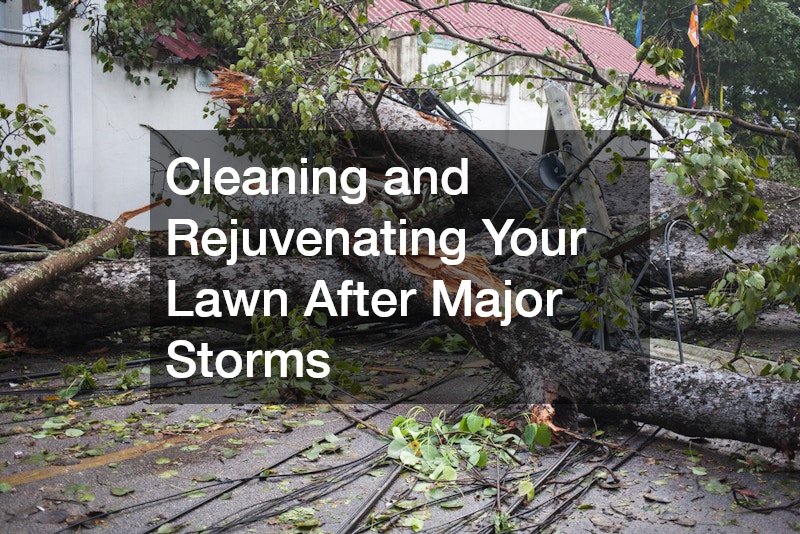
After a major storm has made its pass, the landscape of your prized lawn can be left battered and bruised. Restoring your lawn not only brings back the visual appeal but also ensures a safe and healthy environment for outdoor activities. Through specific, actionable steps, your lush paradise can be rejuvenated to its full glory.
Clearing the Clutter
Post-storm, one of the primary tasks is debris removal, as it can often be hazardous and unsightly. Begin by carefully surveying the area to address safety concerns, ensuring there are no sharp or dangerous objects lying around. Utilize gloves and appropriate tools to gather and dispose of scattered branches, leaves, and other materials effectively. Taking photographs before cleanup can also help document damage for insurance purposes if necessary.
Debris can also harm the underlying grass, impeding its growth if left unattended. Look for minor damage that debris might have caused to the soil or the existing plant life within the garden. This strategic clearance is a preparatory step to mend and nurture the ground back to health. Removing debris promptly also allows sunlight and air to reach the lawn, encouraging faster recovery.
Blending thorough debris removal with a sound plan prevents potential lawn diseases. Avoid letting decomposing organic materials harbor fungi or pests. Fluctuating moisture levels post-storm make timely action critical to maintain lawn vitality. Once the area is cleared, consider applying a light fertilizer or reseeding damaged patches to support healthy regrowth.
Evaluating and Addressing Damage

Engage a storm damage service to conduct an extensive evaluation of your entire property. They provide expert insights into how deep the damage runs, especially in areas with specialized installations like irrigation systems. By relying on professional assessments, you prevent further hidden damages, saving significant repair costs in the future. Professionals can also identify drainage issues that may not be immediately visible.
Regular maintenance becomes critical after such checks to avert long-term issues in your garden’s ecosystem. The repair process initiated by storm damage professionals is backed by targeted strategies and specialized equipment, ensuring robust recovery. Prompt intervention can help restore both the cosmetic and functional aesthetics of your lawn. Addressing problems early often reduces the likelihood of recurring damage after future storms.
Framing an effective recovery plan is an ongoing task that requires input from trusted service personnel. Exchange maintenance tips and safe handling procedures to ensure your garden remains immune to upcoming adverse weather conditions. A collaborative effort between the homeowner and the service often yields remarkable outcomes. Developing a seasonal maintenance schedule can further strengthen your property’s resilience.
Safely Handling Trees and Branches
Sometimes, inevitable tree damage necessitates tree removal services to handle precariously leaning or fractured trees. Safety becomes paramount, and professionals possess the training and tools to eliminate potential tree hazards. This step not only prevents property damage but also protects all residents near significant tree activity zones. Attempting to remove large branches without proper equipment can create additional risks.
With the heightened influence of storms on branches and roots, assessing trees’ health and structural integrity becomes crucial. Proactive measures, including trimming and cutting away dead branches, contribute to maintaining ecological balance. Efficient tree service providers identify the longevity and condition of the tree while executing removal cleanly. They can also recommend preventative pruning techniques that reduce storm-related damage in the future.
Beyond addressing visible tree damage, services also focus on ensuring regrowth and timely replacement using saplings from garden plant nurseries. Trusted nurseries provide disease-resistant and climate-suited varieties. This thoughtful approach fosters a continually thriving and diverse urban forest. Replacing lost trees with appropriate species can also enhance the long-term beauty and value of your property.
Inspecting and Repairing Gutters

Post-storm, conduct a gutter repair assessment to identify blockages or damage. Accumulated water and debris can compromise the efficiency of your gutter system, risking property damage from overflow during subsequent rainfall. Remove obstructions and ensure seamless water flow to prevent backups. Pay special attention to downspouts, as clogs often develop in these areas.
Even small gutter issues left unrepaired can cause significant long-term problems like mold and erosion. Regular inspections before and after storms reveal potential problematic areas for timely intervention. This maintenance step adds an extra layer of protection to safeguard your lawn and its surroundings. Properly functioning gutters help direct water away from foundations, garden beds, and walkways.
Consider professional chrome and aluminum gutters that withstand varied weather conditions, ensuring longevity. Homeowners should also stay updated with the latest techniques and advancements to optimize their storm preparation strategies effectively. Prioritizing effective drainage solutions mitigates broader damages from unforgiving elements. Installing gutter guards may also reduce maintenance requirements and improve overall performance.
Enhancing Landscape Resilience
Incorporating landscaping services post-storm provides targeted improvements, promoting rapid recovery. Professional landscapers design transformative projects that not only beautify but also reinforce your garden’s resilience. Diverse strategies are implemented, including adding drought-tolerant species and erosion-resistant bushes, tailoring the ecosystems to withstand natural elements better. These upgrades can significantly reduce future maintenance demands.
Your renewed landscape must thrive autonomously as much as possible; hence, the selection of native plants from locally reputed garden plant nurseries plays a vital role. This trust in locality creates synchronous growth environments, often reducing supplementary care needs. Embracing less-sensitive plant selections accommodates weather unpredictabilities, benefiting your entire landscape. Native plants are also more likely to attract beneficial pollinators and wildlife.
Extending your work collaboratively with landscapers enriches the breadth of designs cultivated within your lawn. Utilize architectural elements creatively to extend livable spaces, ensuring appealing aesthetics. Increasing your land’s robustness fosters weather endurance while amplifying functional layers through thoughtful diversification. Features such as retaining walls, rain gardens, and strategic ground cover can further strengthen your property’s ability to withstand future storms.
Integrating Hardscape Features

The introduction or enhancement of hardscaping features enhances both practical and aesthetic benefits to outdoor environments. The storm recovery process often reveals opportunities where resilient structures, like retaining walls and pathways, bolster lawn integrity. Hardscape elements like rock gardens reduce erosion risks while adding striking visual accents to your lawn. Features such as patios, edging, and decorative stone walkways can also improve functionality while creating defined outdoor spaces.
Managed hardscape provides not only structural strength but also elevates the garden layout, balanced with soft greens and florals. Their maintenance often requires minimal intervention, thus saving future restorative efforts and augmenting ease of access within the yard. By blending formality with nature, your landscape design achieves both efficiency and creativity, encouraging holistic environmental interactions. Well-placed hardscape features can also improve drainage and help direct water away from vulnerable areas.
Encourage sustainable practices by choosing eco-friendly materials and layouts that support surrounding organic elements. Thoughtful approaches to hardscaping stimulate productivity, ensuring garden success tailored to diverse environmental conditions. Reflect your lifestyle and landscape objectives fittingly within every hardscape endeavor. Investing in durable materials now can reduce future repair costs while increasing the overall value of your property.
Revitalizing the Lawn
Lying beneath the storm’s footprint, the lawn seeks nourishment through consistent lawn maintenance services. Regular interventions like mowing and aeration restore the grass’s health after storm-induced stress, ensuring a robust regrowth pattern. Consider specialized services that employ eco-safe products to rejuvenate the soil chemistry, boosting root vitality. Overseeding damaged areas may also help restore a fuller, healthier lawn more quickly.
Building a regimen that includes strategic lawn fertilizations supports sustainable growth trajectories. They provide essential nutrients required to rebuild resilience in your lawn’s current and future scenarios. Consult with lawn care specialists to choose nutrient blends best suited for seasonal variations and outdoorsmen’s preferences. Soil testing can further identify deficiencies and help create a more targeted recovery plan.
The enduring success of any lawn relies on understanding its specific needs and responding efficiently to those demands. Establish a transparent plan incorporating preventive measures that prepare your grass against potentially harmful atmospheric changes. Keep an open dialogue with professionals to quickly modify practices aligned with lawn aspirations and evolving weather conditions. Consistent monitoring throughout the year allows you to address issues before they become larger concerns.
Cultivating a Diverse Plant Environment

The trials imposed by storms often catalyze adjustments, necessitating inspections of your existing planting scenarios. Contrast and compare your current flora selections with other viable alternatives supplied through local garden plant nurseries. A more vigorous diversity offsets vulnerabilities amplified by community-wide climate shifts, encouraging a healthy interplant network. Diverse plantings can also improve soil health and create a more balanced ecosystem throughout the landscape.
Blend traditional aesthetics with an inventive palette by considering a medley of native and exotic species. Consult nursery experts knowledgeable about adaptive plant solutions that accentuate your garden’s unique ecologies. Arranging plants with varied heights and textures diversifies visual interest and enhances resilience. Including species that bloom during different seasons can ensure year-round color and continuous support for pollinators.
Stakeholders encourage continual assessment and responsive action plans by sharing beneficial plant success stories or cultivating unique varieties. Trading insights and experiences with horticultural communities widens vantage points and empowers the thriving of enriched green spaces. Nature, seen from wider perspectives, becomes more inclusive and effectively productive. These collaborative efforts often lead to innovative planting strategies that strengthen both beauty and sustainability.
Applying Tree Care Fundamentals
Participants positioned in storm recovery who cherish their gardens often understand the essential care trees require. Enlist tree services to inspect and nurture both current and potential future growth points within your garden setup. Addressing foundational concerns yields blossom-rich results, often appreciated exponentially in harmony with varying seasonal circumstances. Early detection of disease, pest activity, or structural weaknesses can prevent more serious issues later.
Purposeful tree pruning and calculated water distribution maximize their restorative efficiencies and beautify garden parameters. Holistic methodologies sync water recycling systems and solar inputs, invigorating tree life cycles. Partner proactively with arborists committed to sustainable solutions that boost ecosystem services. Regular inspections also help ensure trees remain healthy enough to withstand future storms and environmental stresses.
The results of deliberate tree care strategies manifest securely through greener canopies promoting cooling shade, fresh air, and enchanting landscapes. Every prudent investment consolidates aesthetic gains while focusing on leveraging natural processes. Assure tree canopy sustainability through mutual expert learning channels, equipping you to greet future storms fearlessly. Healthy trees contribute significantly to property value and create a more comfortable outdoor environment for years to come.
Creating a Long-Term Lawn Strategy
Paired with seasoned insights, homeowners develop adaptive strategies positioning their properties in favorable living conditions irrespective of how unpredictable weather patterns unfold. Service-oriented collaborations enhance foundational landscaping, laying stronger aesthetic and durable financial groundworks. An articulated approach ensures synchronous relationships between residents, landscapes, and the broader ecosystem. Long-term planning also reduces the need for costly emergency repairs following severe weather events.
Acquiring inclusive lawn strategies embraces resilience through evidence-backed methodologies, incorporating tools like nature metric dashboards. Vigilance over patterns ensures operational interventions harmoniously respecting sustainability imperatives, highly valued within global community settings. Each practiced measure is supplemented by collectively entrenched livelihoods providing educational avenues in pursuit of a shared goal. Tracking progress over time helps homeowners make informed decisions about future improvements and maintenance priorities.
Expert testimonials fuel community engagement approaches, connecting everyone involved in land rejuvenation pursuits. Supported by extensive literature, interlocking themes ensure realistic yet uplifting storytelling within emergent lawn care environments. Together, ecological and social frameworks interconnect in meaningful co-created green spaces, unlocking nature’s breathtaking narratives. With a thoughtful strategy in place, homeowners can enjoy healthier landscapes that remain attractive, functional, and resilient through every season.
Recovering your lawn after a major storm requires patience, careful planning, and a commitment to ongoing maintenance, but the results are well worth the effort. From clearing debris and repairing damage to revitalizing grass, caring for trees, and implementing resilient landscaping solutions, each step contributes to restoring the beauty and functionality of your outdoor space. By combining professional expertise with proactive care, homeowners can not only repair storm-related damage but also strengthen their properties against future weather challenges. With a thoughtful long-term strategy in place, your lawn can emerge healthier, more attractive, and better prepared to thrive through every season, transforming a difficult setback into an opportunity for lasting improvement.