
When storm season rolls around, most homeowners think about their roof and windows but forget that the backyard takes just as much of a beating. High winds, saturated soil, and falling limbs can turn a peaceful outdoor space into a hazard zone in minutes. A resilient backyard is not built by luck; it is designed with intention, using the right plants, structures, and drainage choices that work together when the weather turns severe. This guide walks you through the practical steps to storm-proof your outdoor space before the next major system rolls through.
Assessing Tree Health Before Storm Season Arrives
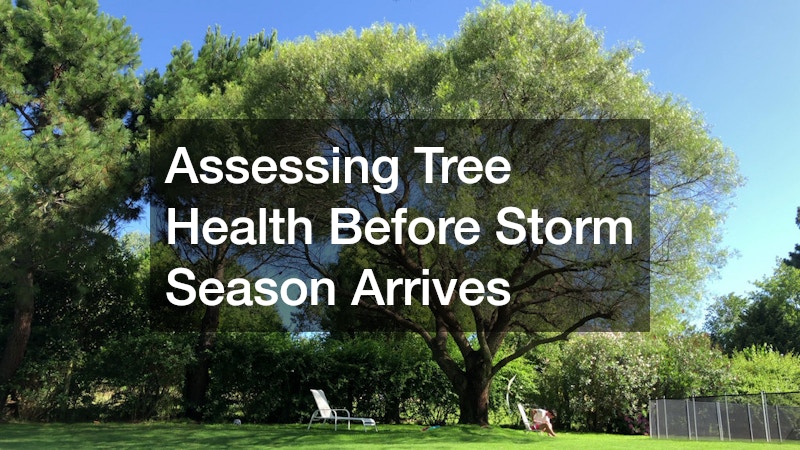
The trees in your backyard are often the biggest liability during a major storm, and a proactive inspection can save you from disaster later. Look for signs of decay, dead branches, or leaning trunks that suggest a tree could come down in high winds. Weak trees near your home, garage, or power lines deserve special attention since they pose the greatest risk to structures and people.
If you spot a tree that looks compromised, it is worth calling in professionals rather than guessing. Many local tree companies offer free or low-cost assessments that identify hazards before they become emergencies, and their trained eye can catch problems a homeowner might miss.
- Check for cracked or hollow trunks
- Look for mushrooms or fungus growth at the base, a sign of root rot
- Watch for branches that hang over the roof or patio
- Note any trees that lost large limbs in past storms
Removing Hazardous Stumps and Dead Root Systems
Old stumps left behind from previous tree removal can become a hidden problem during storms, especially when heavy rain saturates the ground around them. Decaying root systems no longer anchor soil the way healthy roots do, which can lead to erosion, uneven drainage, and even sinkholes forming near your patio or fence line. Clearing these out ahead of storm season gives you one less thing to worry about when the ground gets soft.
Hiring a stump removal contractor is often more efficient than trying to dig one out yourself, particularly for larger stumps with deep root networks. Professional equipment can grind or extract a stump in a fraction of the time, and it reduces the risk of damaging nearby utility lines or irrigation systems.
- Old stumps can attract termites and other pests
- Rotting roots weaken soil stability during heavy rain
- Removal opens up space for better landscaping and drainage solutions
Choosing Wind-Resistant Landscaping and Plant Placement

Not all plants are created equal when it comes to withstanding high winds, and choosing the right species can make a real difference in how your yard fares during a storm. Native plants with deep root systems tend to hold up better than shallow-rooted ornamentals, and shrubs planted in clusters often provide mutual support against gusts. Think about mature size too, since a tree that seems manageable now could become a liability once it reaches full height near your house.
- Choose low-growing shrubs near fences and structures
- Avoid planting tall, top-heavy trees close to the house
- Group plantings to create windbreaks that protect more delicate greenery
- Research your specific climate zone for storm-tolerant species
Improving Drainage to Prevent Yard Flooding
Standing water after a storm is more than a nuisance; it can erode soil, damage foundations, and create breeding grounds for mosquitoes. A well-designed backyard accounts for where water naturally flows and directs it away from the house, patio, and any outbuildings. Grading the yard so it slopes gently away from structures is one of the simplest and most effective long-term solutions.
French drains, dry wells, and permeable pavers are all worth considering if your yard tends to pool water after heavy rain. These systems work with gravity to move water where it belongs instead of letting it sit and cause damage over time.
- Install gutters and downspouts that direct water away from the foundation
- Consider a rain garden to absorb excess runoff
- Use permeable materials for patios and walkways
- Regularly clear debris from drainage paths
Securing Outdoor Structures Against High Winds
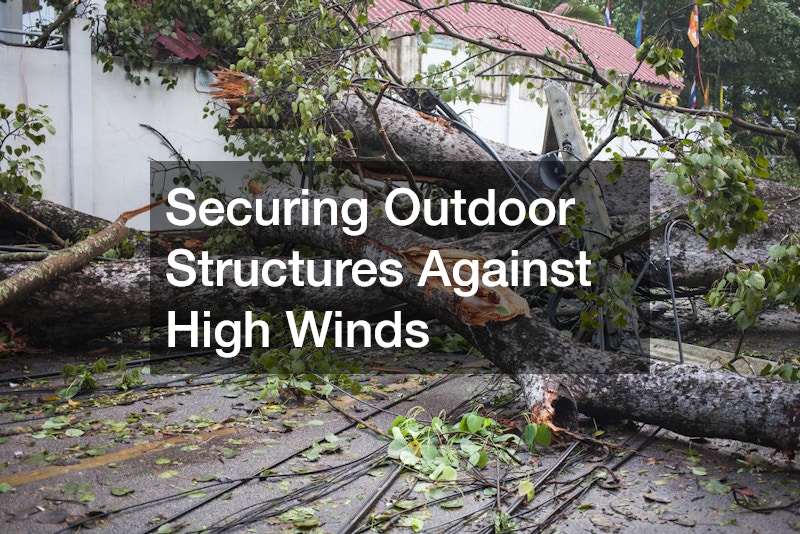
Sheds, pergolas, fences, and playsets can turn into dangerous projectiles if they are not properly anchored before a storm hits. Check that any structure in your yard is rated for your region’s wind speeds and that bolts, brackets, and footings are in good condition. Loose or aging hardware should be replaced well before storm season, not after the first warning is issued.
- Anchor sheds and playsets with ground stakes or concrete footings
- Inspect fence posts for rot or instability
- Bring in or secure furniture, umbrellas, and grills before a storm
- Check pergola and gazebo bolts annually
Protecting Your Roof and Gutters From Storm Debris
While the backyard is the focus, your roof plays a direct role in how well your property handles a storm, since debris from trees and yard structures often ends up there. Overhanging branches, loose patio umbrellas, and unsecured planters can all become projectiles that damage shingles or clog drainage systems during high winds. Trimming branches back at least 6 to 10 feet from the roofline removes one of the most common sources of impact damage before a storm even hits.
Regular roof repair before storm season catches small issues, like loose shingles, cracked flashing, or worn sealant around vents, before they turn into major leaks. Scheduling an inspection in early spring and again in late summer gives you two chances to catch damage from winter ice or summer heat before storm season peaks. Ask your inspector to check for granule loss on shingles, soft spots in the decking, and rusted flashing around chimneys or skylights, since these are the details homeowners tend to miss on a casual walkaround.
Gutters deserve equal attention, since clogged or sagging gutters can send water pouring directly into your fascia and foundation instead of away from your home. Clearing leaves and twigs at least twice a year, and installing gutter guards if your property has heavy tree coverage, reduces the odds of overflow during a downpour. It’s also worth checking that downspouts extend at least 3 to 4 feet away from the foundation, since a short or disconnected downspout can undo all the benefit of clean gutters by dumping water right back against the house.
A little maintenance now, often just a few hundred dollars for inspection and minor repairs, is far cheaper than dealing with extensive water intrusion later, which can run into the thousands once framing, insulation, or drywall are affected. Keep a simple log of inspection dates and repairs, since it not only helps you track recurring problem areas but can also support an insurance claim if storm damage does occur.
It is worth having roofing contractors inspect your roof annually, especially if you live in an area with frequent severe weather. They can spot vulnerabilities that are easy to miss from the ground, such as lifted shingles, cracked flashing, or soft spots in the decking that could give way under wind pressure.
An inspection from roofers is also a good opportunity to talk through materials. Impact-resistant shingles, rated Class 4 for hail resistance, hold up far better than standard asphalt options, and metal roofing can handle sustained winds well above 100 mph when properly installed.
Gutters deserve the same attention. Have your contractor check that gutters and downspouts are securely fastened, free of rust or sagging sections, and fitted with guards to keep leaves and branches from clogging them during a storm. Clogged or damaged gutters can send water pooling against the roofline or foundation, creating problems long after the storm has passed.
- Trim overhanging branches at least 6-10 feet back from the roofline, focusing on any limbs thicker than 4 inches that could puncture shingles or decking in high wind
- Clear gutters and downspouts of leaves and debris before storm season, then test flow with a hose to confirm water drains freely
- Install gutter guards to reduce clogging and cut down on how often you need to climb up and clean them
- Check flashing around chimneys, vents, and skylights for gaps, rust, or lifted edges where wind-driven rain can seep in
- Replace cracked or missing shingles promptly, and keep a few matching spares on hand for quick post-storm repairs
- Secure loose gutters and downspouts with fresh brackets so they don’t rattle loose or tear away in strong gusts
- Schedule a professional roof inspection annually, ideally in early spring, to catch wear before storm season hits
Preparing for Emergency Tree Removal After a Storm
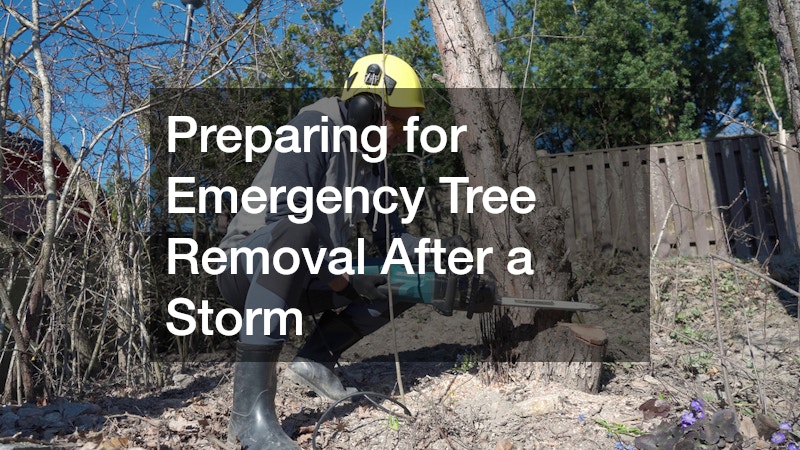
Even the best preparation cannot guarantee a tree will survive a severe storm, which means having a plan for the aftermath matters just as much as prevention. If a large limb or entire tree comes down on or near your home, safety should be the top priority; stay clear of downed power lines and unstable branches. Calling an emergency tree service quickly can prevent further damage, especially if a tree is resting precariously against your roof or fence.
Response times vary, so it helps to know which companies in your area offer 24-hour service before you actually need one. Keeping a list of reliable contacts ready means you are not scrambling to find help in the middle of a crisis.
- Photograph damage before cleanup for insurance purposes
- Avoid attempting to remove large limbs yourself
- Ask about liability coverage before hiring a crew
- Prioritize trees threatening structures or driveways
Coordinating Storm Damage Tree Removals and Cleanup
After a major storm, entire neighborhoods often need help at once, which can create long wait times for cleanup services. Being proactive about scheduling storm damage tree removals as soon as it is safe to do so helps you avoid extended periods with hazardous debris sitting in your yard. Waiting even a few extra days can leave weakened trees vulnerable to collapsing further, especially if another round of wind or rain moves through the area.
Many companies prioritize jobs based on safety risk, so a tree blocking a driveway or leaning on a structure typically gets addressed first. Trees resting on power lines or roofs, split trunks, and root systems that have been partially uprooted also tend to jump to the top of the queue. If your damage is more cosmetic, such as broken branches scattered across the lawn, expect a longer wait since crews focus on hazards first.
While you wait for professional removal, it helps to document the damage thoroughly. Take photos and videos from multiple angles before anything is moved, since this record can speed up insurance claims and give contractors a clearer picture of the scope of work. Avoid attempting to cut large limbs or trunks yourself, particularly if they are under tension or tangled with utility lines, since this is one of the leading causes of storm-related injuries.
It’s also worth getting quotes from more than one tree removal company when time allows, since prices can spike significantly during high-demand periods after a storm. Ask whether the company is licensed and insured, and confirm that cleanup includes stump grinding and debris hauling rather than just the tree itself. Clear communication upfront about the full scope of work can prevent surprise charges once the job is underway.
- Get multiple quotes when possible, even during high-demand periods — aim for at least three, since prices can vary by hundreds of dollars for the same job
- Ask whether cleanup includes hauling and disposal of debris, or if that’s billed as a separate line item
- Confirm the crew is licensed and carries liability and workers’ comp insurance before work begins
- Verify your own homeowner’s insurance requirements too, including whether tree removal is covered or falls under a separate storm/wind damage clause
- Document everything for claims before debris is cleared — photos from multiple angles, videos, and notes on the tree’s size and location
- Keep copies of every estimate, invoice, and contract in case your insurer disputes the cost
- Watch for storm-chasing contractors who show up uninvited; ask for local references and proof of address
Handling Water Damage and Restoration After the Storm Passes
Flooding and wind-driven rain can seep into places you would not expect, from crawl spaces to basement walls, and the damage is not always visible right away. Contacting water damage services quickly after a storm can prevent mold growth and structural issues that get worse the longer moisture sits. Fast action within the first 24 to 48 hours makes a significant difference in the outcome.
A qualified water restoration company will assess moisture levels throughout your home, not just in obviously wet areas, and use specialized equipment to dry things out thoroughly. This kind of thorough response is especially important for finished basements, hardwood floors, and drywall, which can all suffer long-term damage if not addressed quickly.
- Watch for musty odors as an early sign of hidden moisture
- Document water damage for insurance before cleanup begins
- Avoid running electrical appliances in flooded areas
- Ask about mold prevention treatments during restoration
Building a Long-Term Storm Preparedness Routine
A storm-resistant backyard is not a one-time project; it requires seasonal check-ins to stay effective as trees grow, structures age, and drainage systems shift over time. Building a simple annual checklist keeps you ahead of problems instead of reacting to them after damage occurs. Many homeowners find it helpful to schedule inspections in early spring and again before peak storm season.
- Reassess tree health and trim branches every year
- Test drainage systems before the rainy season starts
- Inspect outdoor structures and hardware annually
- Keep a folder of contacts for tree removal services and repair professionals ready to go
A backyard built to withstand severe weather takes some upfront effort, but the payoff is fewer emergencies, lower repair costs, and real peace of mind when storm warnings appear. Start with a walk around your property this weekend, noting weak trees, poor drainage, and unsecured structures that need attention. Small, consistent maintenance now will put you in a far better position when the next big storm actually arrives.