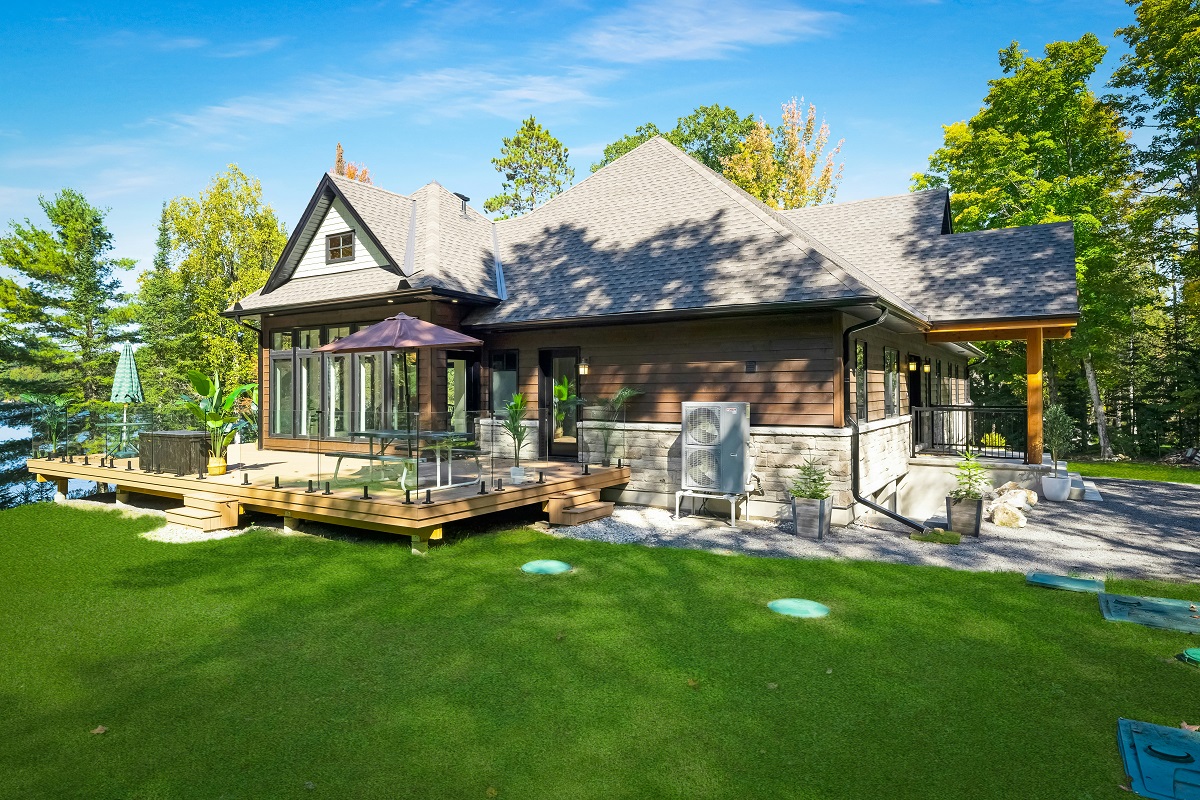
Your backyard is more than a patch of grass behind the house. It is where summer dinners stretch into starry nights, where weekend barbecues turn into impromptu dance parties, and where you finally get to relax after a long week. And the backdrop to all of that fun? Your siding.
Color choice matters more than most homeowners realize. The exterior of your house frames every photo, every gathering, and every quiet morning coffee on the deck. Pick the wrong shade, and your patio furniture clashes, your landscaping looks washed out, and the whole space feels disconnected. Pick the right one, and everything sings.
This guide walks you through a practical process for choosing siding colors that pair beautifully with your outdoor entertainment zone. No guesswork, no expensive do-overs. Just a clear path from inspiration to final coat.
Start by Studying Your Outdoor Space
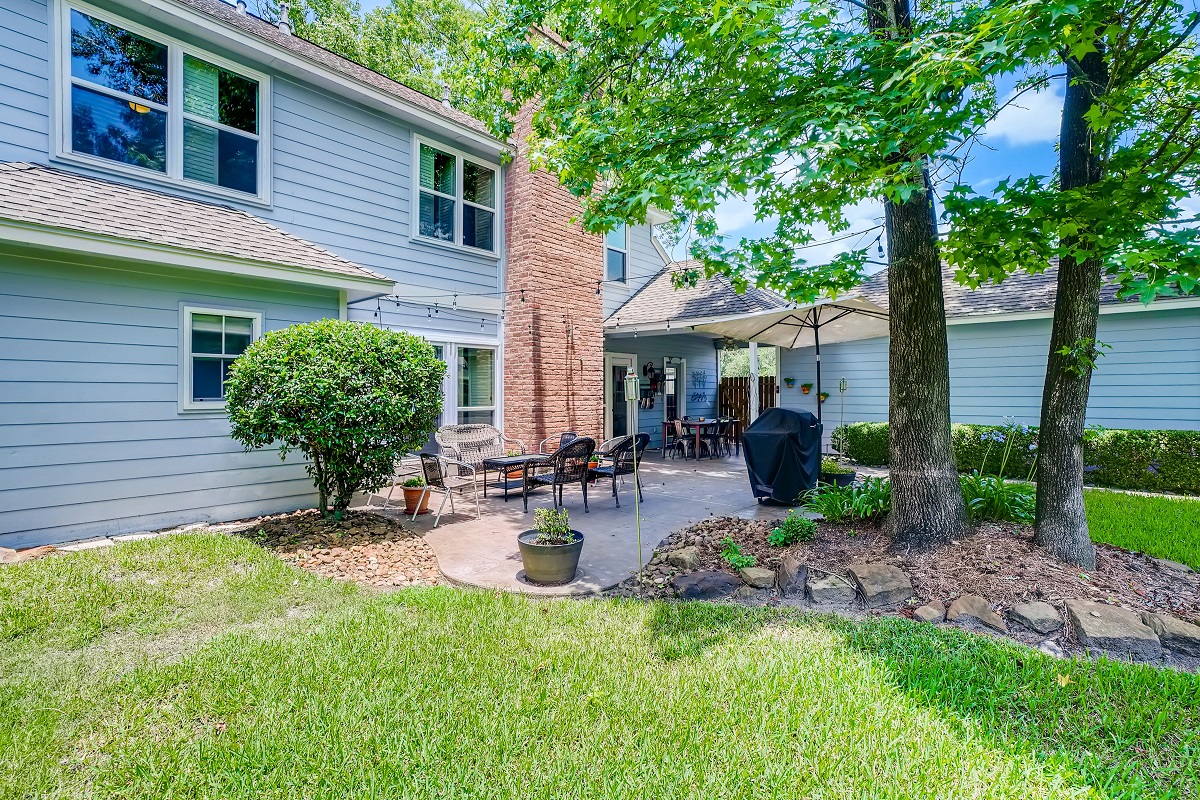
Before you even glance at a color wheel, take a slow walk around your yard. Really look at it. What is already there? A flagstone patio, a cedar pergola, a stainless steel grill island, a weathered picnic table your grandfather built. These fixed elements are your anchors, and your siding needs to work with them, not against them.
Spend an afternoon taking photos from multiple angles. Shoot in morning light, midday sun, and golden hour. Colors shift dramatically depending on the time of day, and the way your siding reads at noon will be very different from how it reads during an evening cookout with string lights glowing overhead.
Make a quick inventory of what you want to highlight and what you want to downplay. Ask yourself:
- What materials dominate my patio or deck surface?
- Which features do I want to become focal points?
- Are there eyesores (utility boxes, old fencing) I want to blend into the background?
- What is the dominant undertone of my hardscaping (warm beige, cool gray, reddish brown)?
- How much shade falls on the house during peak entertaining hours?
This inventory becomes your cheat sheet when you start pulling color samples. According to Fixr, nearly all industry experts believe an upgraded outdoor area meaningfully boosts property value, so treating this as a real design project (not an impulse weekend task) pays off down the road.
How Do You Match Siding to Your Entertaining Style?
The way you use your backyard should shape your palette. A family who hosts big, loud get-togethers every weekend has different needs than a couple who prefers quiet dinners for four. Think about the mood you want your space to project.
For lively, high-energy gatherings, warmer siding tones tend to flatter the scene. Creamy beiges, soft terracottas, and buttery whites throw off a welcoming glow under outdoor lighting and photograph beautifully. According to Houzz, beige has surged to become the top exterior color pick, climbing from 10% in 2024 to 24% in 2026, and it is easy to see why. Warm neutrals give you flexibility with furniture, umbrellas, and seasonal decor.
For a calmer, more sophisticated vibe, lean into cooler and deeper tones. Charcoal, deep forest green, and slate blue read elegant and intentional, especially when paired with modern furniture and sleek fire features. These shades also hide pollen, dust, and splashback from grilling better than lighter options.
Matching Undertones Is the Secret
Here is where most DIYers slip up. They pick a siding color they love in the showroom, bring it home, and realize it clashes with the warm red brick of their existing patio. Every color has an undertone, and undertones either harmonize or fight. Hold your siding samples directly against your hardscaping, decking, and roofing in natural light. If something looks off, trust your eye and keep searching.
Build Your Palette Around the Big Three
Every well-designed exterior has three color roles working together: the main siding color, the trim, and the accent. Think of it like dressing for a nice dinner. You have your suit, your shirt, and your tie or pocket square. Each one supports the others.
Your main siding color should cover roughly 60 to 70 percent of the visible exterior. This is your foundation, so choose something you can live with for a decade or more. Trim typically makes up 20 to 30 percent and defines the edges, windows, and doorframes. Accent colors show up on shutters, front doors, or decorative gables and usually land at 5 to 10 percent.
Here are combinations that reliably work with outdoor entertainment areas:
- Warm beige siding, crisp white trim, and a deep navy or black accent
- Soft sage green siding, cream trim, and a natural wood door
- Charcoal gray siding, white trim, and a cedar or teak accent
- Taupe siding, bronze trim, and a burnt orange door
- Classic white siding, black trim, and a bold hunter green accent
When you are brainstorming, pull inspiration from everywhere. Pinterest boards, magazine clippings, and curated galleries of modern Outdoor Living Ideas give you a sense of what reads fresh versus dated. Save anything that catches your eye, then look for patterns in your own saves. You will quickly see what you gravitate toward.
Test Before You Commit
Never, ever pick a siding color from a tiny paint chip under fluorescent store lighting. That is how you end up with a house that looks great in the brochure and strange in your front yard.
Order large samples (or buy test quarts if you are painting rather than replacing) and apply them directly to a south-facing and north-facing wall. Give each swatch at least two feet by two feet of real estate. Live with them for a full week. Check them at breakfast, at lunch, at sunset, and under your outdoor lighting after dark.
Pay attention to how the samples look next to your entertaining zone specifically. Walk from your grill to the back door. Sit at your patio table and look up at the wall. Imagine string lights on. Does the color recede and let your landscaping shine, or does it compete for attention?
While you are evaluating, also check the condition of your current siding carefully. Cracks, warping, and gaps can throw off your color testing and need addressing before any new finish goes on. If you spot issues, a solid walkthrough of repairing split or damaged panels will save you headaches. For readers wanting the deep dive, a search for “How to Fix Cracked Siding: Materials, Tools, and Step-by-Step Techniques” will turn up the practical steps involved.
Budget Smart for Long-Term Results
Color choice and budget are linked more than people think. Darker colors often fade faster in direct sun, which can mean more frequent repainting. Specialty finishes cost more upfront but last longer. Fiber cement siding runs higher per square foot than vinyl but holds pigment for decades. Factory-finished options almost always outperform field-painted ones because the color is baked in under controlled conditions.
Think about your total project cost in three buckets:
- Material and installation (the big one)
- Prep work, including any repairs or removal
- Maintenance over the next ten to fifteen years
If your budget feels tight, resist the urge to save money by picking a trendy color you will want to change in three years. Classic neutrals age gracefully and give you room to refresh the look by swapping out cushions, planters, and umbrellas as styles shift. That flexibility is worth real money.
Also consider energy costs. Lighter siding reflects heat and can reduce cooling bills in hot climates, while darker siding absorbs warmth and can be a smart pick in colder regions. Your entertaining habits play into this too. If your patio bakes in the afternoon sun and you want to use it comfortably, a lighter exterior will keep the adjacent wall from radiating heat back at your guests.
Fresh Backyard Inspiration for Color Confidence
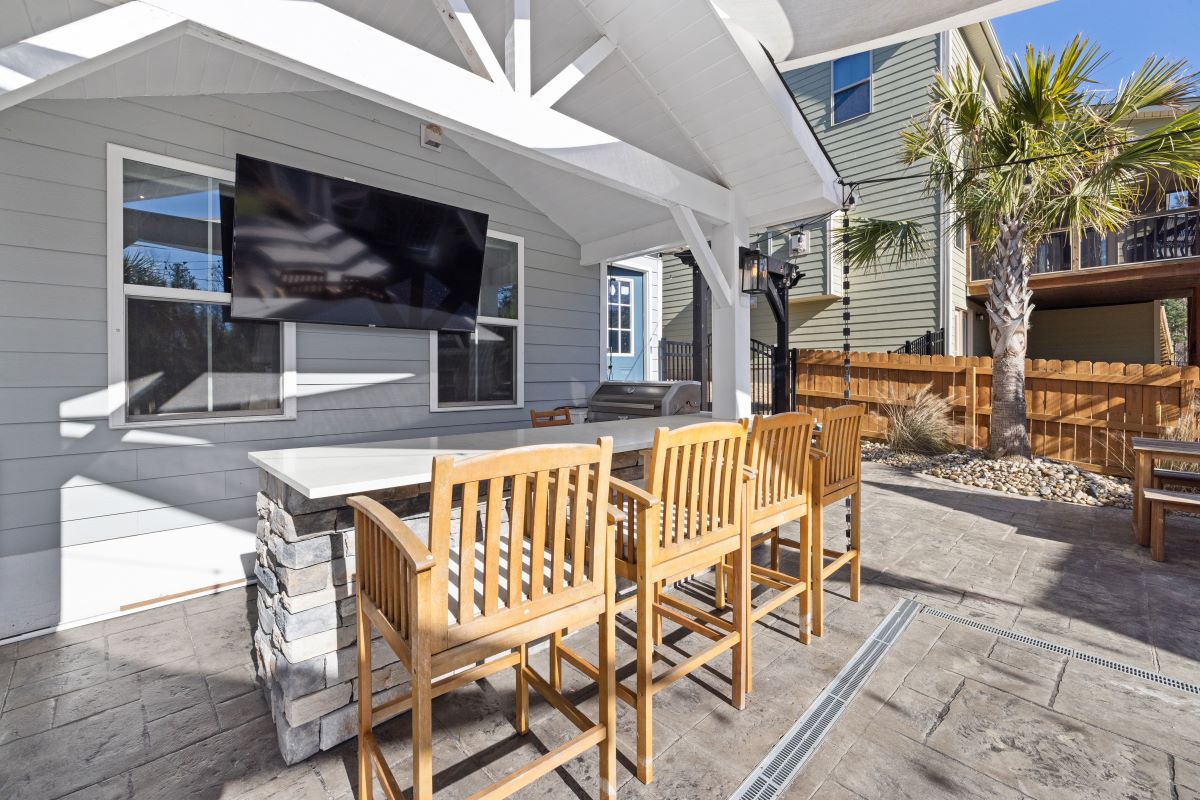
Sometimes the fastest way to break a decision deadlock is to see finished projects in person. Drive through neighborhoods you admire during the golden hour window. Stop at local showrooms that display full-size siding panels rather than tiny chips. Visit model homes from builders known for exterior design.
Pay attention to houses where the siding, landscaping, and entertainment areas feel like one cohesive thought rather than three separate decisions. Those are the homeowners who got the palette right, and studying their choices teaches you more than any color theory lecture.
Don’t Forget Seasonal Shifts
Your backyard does not look the same in July as it does in October. Green lawns turn tan, flower beds go dormant, and the warm glow of summer evenings gives way to crisp blue autumn light. The best siding colors flatter your yard across every season, not just the peak months.
If you entertain year-round, think about how your palette reads against bare trees, early snow, or spring mud. Mid-tone colors tend to perform better across all four seasons than extremes at either end of the spectrum. A medium greige, a soft sage, or a muted blue-gray carries a yard through changes that would overwhelm a stark white or an inky black.
Coordinate Lighting with Your Color Choice
Outdoor lighting changes everything after sundown, and most people forget to factor it in. Warm bulbs (around 2700K) make beige, cream, and wood tones glow invitingly but can turn cool grays muddy. Cooler bulbs (3500K and up) sharpen modern charcoal and crisp white palettes but can make warm neutrals look washed out.
Before you finalize siding, decide on your lighting temperature. Then test your color samples at night with those bulbs installed. A siding shade that looked perfect at 3 p.m. may feel flat at 9 p.m. under the wrong light. String lights, sconces, and path lighting all throw different hues onto nearby walls, and your siding should play nicely with whatever ambiance you build.
Think about reflection too. A light siding color behind your dining area acts almost like a soft reflector, bouncing lantern glow back onto the table. A dark color absorbs that light and creates a more intimate, cave-like feel. Neither is wrong. They just set different moods for different kinds of nights.
Avoid These Common Color Mistakes
A few missteps show up again and again in backyard makeovers. Keep them on your radar:
- Matching siding too closely to your deck. When wood and siding share nearly the same tone, the eye loses contrast and the whole yard flattens out visually.
- Ignoring the roof. Your shingles are a massive block of color, and they will either harmonize with your siding or fight it. Always test samples with the roof in frame.
- Over-saturating accents. One bold door is charming. A bold door plus bold shutters plus a bold mailbox plus bold planters turns your exterior into visual noise.
- Forgetting the neighbors. You do not need to copy the house next door, but a color that violently clashes with adjacent homes rarely feels right.
- Choosing trendy over timeless. Deep plum may be having a moment, but your siding is a ten-to-twenty-year commitment.
Running your shortlist past a friend with a good eye, or even a designer for a one-hour consultation, is cheap insurance against an expensive regret.
Wrapping It Up
Choosing siding colors for a home that doubles as an entertainment hub is part design, part strategy, and part gut instinct. You are not just picking a shade. You are setting the stage for every meal, every laugh, and every quiet evening you will host for years to come. When the backdrop works, everything else falls into place naturally.
Start with your existing elements, build around a balanced three-color palette, test samples in real conditions, and think about how your choices will perform across seasons, lighting, and budgets. The homeowners who take this process seriously end up with exteriors that feel intentional and inviting. The ones who rush it tend to repaint within five years.
Give yourself permission to take your time. Your backyard deserves a thoughtful answer, and so do the people who will gather there. Get the color right, and your outdoor space will reward you every single time the sun goes down and the conversation gets good.