In many residential areas, septic systems play a crucial role in managing household waste. These systems, when properly maintained, can provide efficient waste processing and disposal for years. Proper and regular septic pumping is not just about prolonging the life of the system; it is essential for preventing unsanitary conditions that can harm the environment and pose health risks to families. When homeowners neglect septic maintenance, it can lead to backups and system failures, which can be costly and inconvenient. Staying informed about the care and requirements of your septic system is the first step towards responsible homeownership.
What is Septic Pumping and Why is it Necessary?
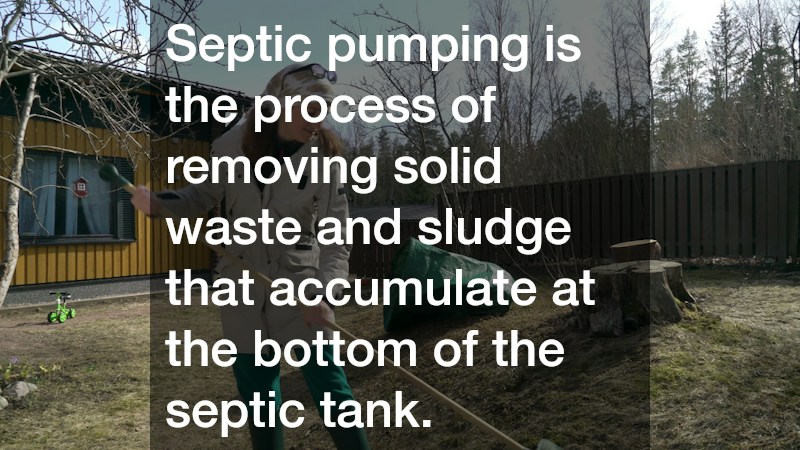
Septic pumping is the process of removing solid waste and sludge that accumulate at the bottom of the septic tank. Over time, these solids can build up and reduce the efficiency of the tank, leading to overflows and potential system failure. Regular pumping ensures the tank continues to function efficiently, preventing the solid waste from clogging the drain field. Moreover, proper septic maintenance, including professional pumping services, can save homeowners significant repair costs in the long run. Regular pumping is crucial because an overfilled tank can cause waste to back up into the home, resulting in unpleasant smells and an unhealthy environment.
Septic systems treat waste by separating solids from liquids in the tank, with the liquids dispersing into the soil through a drain field. If the level of solids in the tank becomes too high, it can obstruct this process, allowing untreated wastewater to escape the tank. This can lead to environmental contamination and might even infringe upon local environmental regulations. The microbial activity that breaks down waste in the system also relies on a certain balance, which can be disrupted if the tank becomes too full. Thus, regular pumping is a vital component of septic system maintenance.
Maintaining a healthy septic system is part of being a responsible homeowner. It involves monitoring the sludge and scum levels within the tank to determine when residential septic pumping is necessary. While some homeowners might attempt DIY alternatives, professional pumping ensures that the system runs smoothly and mitigates potential hazards. It’s an investment in the home’s longevity and the safety of those living in it. Skipping routine maintenance can lead to significant disruptions and costly repairs, making regular septic pumping a necessary part of home care routines.
How Often Should You Pump Your Septic Tank?
Several factors influence how often a residential septic pumping should go, including household size, tank size, and daily water usage. Generally, it is recommended to pump the septic tank every 3 to 5 years, but this timeline can vary based on the unique circumstances of each home. Larger households will typically need more frequent pumping due to the higher volume of waste generated. Conversely, a properly maintained tank in a small household may require less frequent pumping. Regular inspections can provide a more precise schedule and help avoid unexpected problems.
The size of the septic tank itself is another determinant of pumping frequency. Larger tanks accommodate more waste and can often go longer between pumpings than smaller tanks. However, even a large tank can become overwhelmed by too much use without regular maintenance. It’s crucial for homeowners to understand their tank’s capacity and adhere to recommended pumping schedules. This awareness not only prolongs the septic system’s life but also supports environmental health by preventing leaks and overflows.
What are the Signs that Your Septic Tank Needs Pumping?
There are several telltale signs that indicate your septic tank may need immediate pumping. Slow draining sinks, unpleasant odors, and unexpectedly lush patches of grass over the drain field area are all indicators. Homeowners may also notice backups in household drains or toilets becoming harder to flush. One critical aspect to remember is that waiting for these symptoms to appear can lead to emergency situations requiring immediate assistance, which can be costly. Regular inspections and understanding these signs can help prevent such dire scenarios.
Unusual sounds, such as gurgling in the plumbing, are less common but notable signs of septic system stress. Hearing these sounds can indicate that the tank is reaching capacity and that the sludge layer is becoming too high. When the tank is not pumped on time, the balance of waste breakdown is disrupted, leading to system inefficiencies. It’s important to take note of these auditory cues to avoid more serious issues. The sounds serve as a critical warning to schedule preventative maintenance.
Regular septic pumping is a cornerstone of effective home maintenance. It ensures the system runs smoothly, prevents costly repairs, and protects the environment. By staying proactive, homeowners can avoid the inconvenience and expense of septic failures. Understanding and regularly reviewing factors like household size, water usage, and environmental changes is vital. Through informed care, the complexity of septic management becomes a manageable, routine part of maintaining a healthy and sustainable home environment.