Creating Outdoor Spaces That Truly Elevate Your Home
Outdoor living has evolved far beyond a simple patio and a few chairs. Today, homeowners are reimagining their yards as extensions of their indoor living space—places to relax, entertain, and even work. A well-designed outdoor area can increase property value, improve daily comfort, and create a more enjoyable lifestyle overall.
Transforming a yard into a functional and visually appealing space, however, requires more than just adding a few features. It takes thoughtful planning, strategic design, and a clear understanding of how different elements work together. From layout decisions to material choices, every detail plays a role in creating a cohesive environment that feels both intentional and inviting.
This guide explores how professionals approach outdoor transformations, offering practical insights you can apply to your own project. Whether you’re starting from scratch or upgrading an existing space, these strategies will help you make smarter decisions and achieve lasting results.
Why Professional Planning Matters for Outdoor Transformations
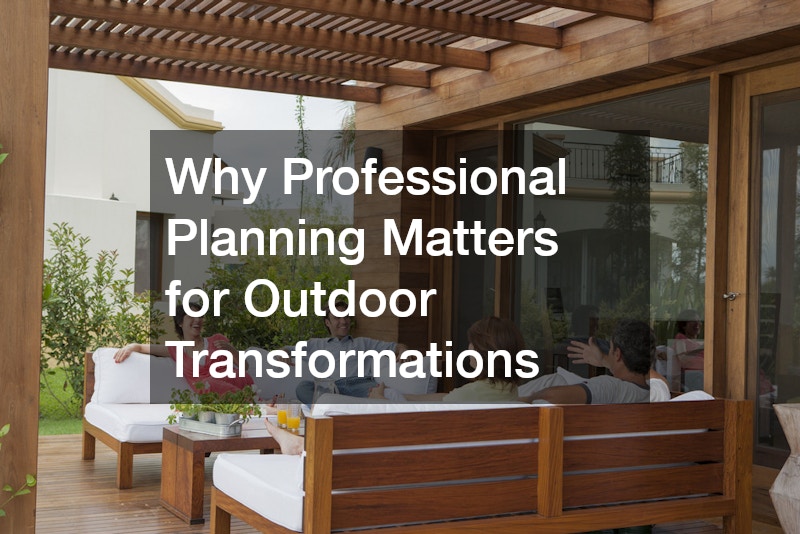
A successful outdoor transformation always begins with a clear and intentional plan. Experienced patio builders don’t just focus on aesthetics—they evaluate the entire property, including grading, drainage, sun exposure, and how the space naturally flows. This type of analysis helps prevent issues like water pooling, uneven surfaces, or poorly placed features that disrupt usability. They also take into account existing structures, property lines, and how different elements will connect, ensuring the final design feels cohesive rather than pieced together.
When planning a backyard remodel, it’s important to think about how the space will actually be used on a daily basis. For example, a family that enjoys entertaining will need a different layout than someone seeking a quiet retreat. Professionals typically divide the space into functional zones, ensuring that dining, lounging, and recreational areas are all thoughtfully arranged. They also consider traffic patterns, making sure there is enough room to move comfortably between areas without congestion.
Homeowners can benefit from taking a similar approach by starting with a vision and then working backward. Establishing priorities early—such as seating capacity, privacy, or shade—helps guide every design decision that follows. It’s also helpful to think about future needs, such as expanding the space or adding new features later on. Without this level of planning, outdoor spaces often end up feeling cluttered or underutilized, and correcting those mistakes can be both costly and time-consuming.
Choosing Durable Materials That Elevate Your Outdoor Space
The materials you choose form the foundation of your outdoor space, which is why durability should always be a top consideration. Hardscaping elements are exposed to the elements year-round, so selecting materials that can withstand temperature changes, moisture, and heavy foot traffic is essential. Rain, UV exposure, and seasonal shifts can all take a toll over time, so investing in high-quality materials from the start helps prevent premature wear and costly repairs later. It’s also important to think about how different materials respond to expansion and contraction, especially in regions with fluctuating temperatures.
Patio pavers are widely favored for their versatility and resilience. They come in a variety of textures and colors, allowing homeowners to customize the look of their space while maintaining structural integrity. In addition to their visual appeal, pavers are designed to distribute weight evenly, which reduces the likelihood of cracking compared to solid slabs. If a section becomes damaged, individual units can be removed and replaced without disturbing the entire surface, making repairs far more manageable. Their modular nature also allows for creative patterns that can enhance the overall design.
In addition to durability, it’s important to consider how materials will age. Some surfaces develop a natural patina that enhances their appearance, while others may fade or require more maintenance. For example, certain finishes may need periodic sealing to retain their color and resist staining. Choosing materials that align with both your aesthetic preferences and your willingness to maintain them will lead to a more satisfying long-term result, ensuring your outdoor space continues to look polished and perform well over time.
Designing Comfortable Shade Solutions for Year-Round Use
Comfort plays a major role in how often an outdoor space is used, and it directly impacts whether the area becomes a favorite gathering spot or an overlooked part of the home. Without adequate shade, even the most beautifully designed setup can feel harsh and unusable during peak sunlight hours, especially in warmer months. Excessive sun exposure can make surfaces too hot, fade furniture over time, and create an environment that feels more draining than relaxing. Thoughtfully designed shade solutions help regulate temperature, reduce glare, and create a more comfortable atmosphere that encourages longer use throughout the day.
Retractable awnings offer a high level of flexibility by allowing homeowners to adjust coverage as needed. This makes it easy to enjoy full sunlight in the morning and create shade in the afternoon without committing to a fixed structure. Their adaptability is especially valuable in regions where weather conditions shift frequently. Fixed awnings, on the other hand, provide reliable, consistent protection and can double as a design feature that enhances the architectural style of the home. They often create a defined outdoor “room” feel, making spaces more structured and inviting.
Placement is just as important as the type of structure you choose. Observing how sunlight moves across your yard at different times of the day helps determine where shade is most effective. Strategic positioning ensures that seating, dining, and high-use areas remain comfortable, ultimately making the entire space more functional and enjoyable.
Enhancing Functionality with Enclosed and Screened Spaces
Creating a space that can be used in different weather conditions significantly increases its value. Porch enclosures provide a level of protection that allows homeowners to enjoy the outdoors while staying shielded from wind, rain, and temperature fluctuations. These structures can also create a seamless transition between indoor and outdoor environments, especially when designed with matching flooring, lighting, and architectural elements. By maintaining visual continuity, the space feels like a natural extension of the home rather than a separate addition.
Porch enclosures also offer added privacy, which can be especially beneficial in neighborhoods where homes are closely spaced. With the right materials, they can reduce noise, block harsh sunlight, and even improve energy efficiency by acting as a buffer zone between the interior and exterior of the home. This makes them a practical choice for homeowners looking to enhance both comfort and functionality.
Patio screens offer a lighter solution that focuses on comfort and convenience. They are particularly useful in areas where insects are a concern, allowing for airflow while maintaining a barrier against pests. This makes it easier to enjoy meals, conversations, or quiet moments without interruption. Screens can also help diffuse sunlight, creating a softer, more comfortable environment without completely blocking natural light.
Incorporating these features into your design can extend the usability of your outdoor space across multiple seasons. Rather than limiting use to ideal weather conditions, you create an environment that remains accessible and comfortable more consistently throughout the year, making it a more valuable and frequently used part of your home.
Maximizing Layout Efficiency with Smart Surface Planning
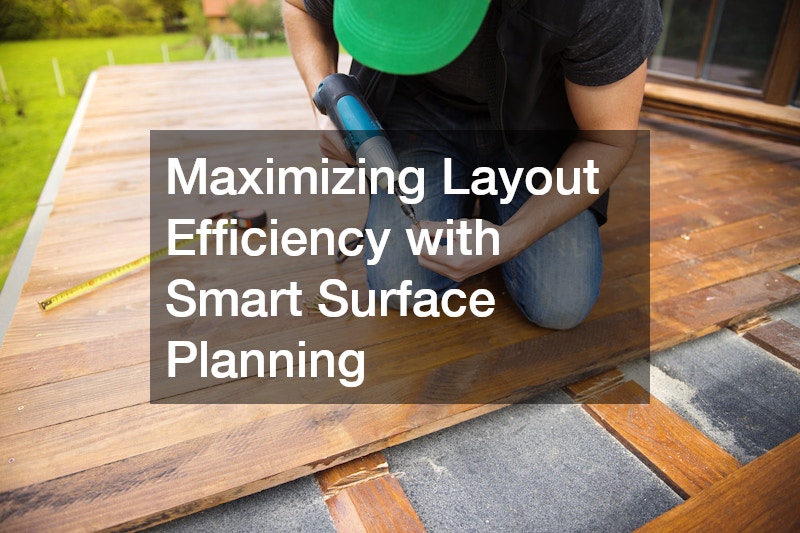
A well-planned layout can transform the way an outdoor space feels and functions. Proper paver installation ensures that surfaces are not only visually appealing but also structurally sound. This involves preparing a stable base, ensuring proper grading, and carefully placing each element to prevent shifting over time.
The arrangement of patio pavers can also influence how people move through the space. Strategic patterns can guide foot traffic, define different areas, and create a sense of organization. For instance, linear patterns can lead the eye through the space, while more intricate designs can serve as focal points.
Efficiency in layout goes beyond appearance—it directly impacts usability. When surfaces are thoughtfully planned, the space feels more open, accessible, and comfortable to navigate. This level of detail is what separates a basic outdoor area from one that feels professionally designed.
Incorporating Multi-Use Zones for Better Outdoor Living
Modern outdoor spaces are designed to serve multiple purposes, making them more versatile and enjoyable. A well-executed backyard remodel often includes distinct zones for activities such as dining, relaxing, and entertaining. These zones help organize the space and make it easier to use.
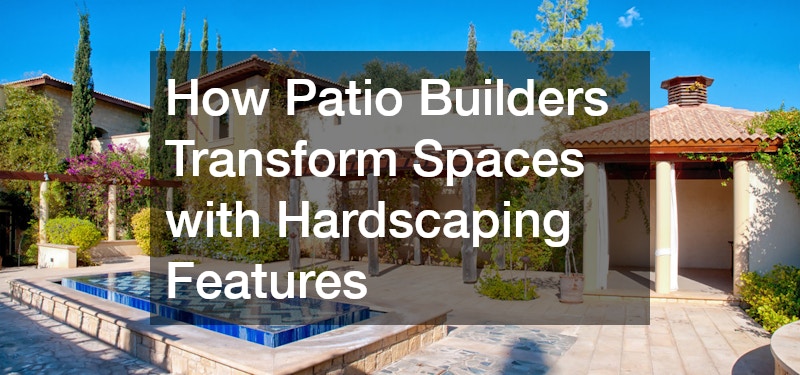
Hardscaping features play a key role in defining these areas. Elements like retaining walls, built-in seating, and fire pits provide both structure and function. They help separate spaces without the need for barriers, creating a natural flow from one area to another.
Designing with multiple uses in mind allows your outdoor space to adapt to different needs over time. Whether you’re hosting a gathering or enjoying a quiet evening, a thoughtfully zoned layout ensures that the space feels both functional and inviting.
Blending Aesthetics with Practical Outdoor Features
A successful outdoor design strikes a balance between visual appeal and everyday functionality. Awnings and patio screens are excellent examples of features that can enhance both aspects when integrated thoughtfully into the overall design.
Consistency in color, texture, and material selection helps create a cohesive look that complements the home’s exterior. At the same time, practical considerations—such as shade, privacy, and protection—ensure that the space remains comfortable and usable.
When aesthetics and functionality are aligned, the result is a space that not only looks polished but also supports your lifestyle. This balance is essential for creating an outdoor environment that feels complete and well-designed.
Avoiding Common Mistakes in Outdoor Upgrades
Outdoor projects can quickly become complicated without the right expertise. Many homeowners encounter issues such as poor drainage, overcrowded layouts, or mismatched materials when attempting to manage everything on their own. Home exterior services often step in to correct these problems after the fact.
Working with experienced patio builders from the beginning can help prevent these challenges. Professionals understand how to balance design with practicality, ensuring that each element contributes to the overall functionality of the space.
Taking a thoughtful and informed approach reduces the likelihood of costly mistakes. By prioritizing planning, quality materials, and professional guidance, homeowners can achieve results that are both visually appealing and structurally sound.
Maintaining Your Outdoor Investment for Long-Term Value
Once your outdoor space is complete, maintaining it becomes essential to preserving its value and appearance. Regular upkeep helps prevent small issues from turning into larger, more expensive problems over time. Home exterior services can assist with inspections and maintenance, but many tasks can be handled with consistent care. Staying on top of routine maintenance also ensures that your space remains safe, functional, and visually appealing throughout the year.
Porch enclosures and other structural features should be cleaned and inspected periodically to ensure they remain in good condition. This includes checking for wear, addressing minor repairs, and protecting materials from weather-related damage. For example, screens should be examined for tears, frames should be checked for stability, and seals should be monitored to prevent moisture intrusion. Dirt, debris, and mildew can accumulate over time, so regular cleaning helps maintain both appearance and structural integrity.
Seasonal maintenance is another important factor to consider. Preparing your outdoor space for changing weather—such as sealing surfaces before winter or inspecting drainage systems before heavy rain—can significantly reduce long-term damage. Addressing minor issues early, like loose fasteners or small cracks, helps avoid more extensive repairs later.
A proactive approach to maintenance ensures that your outdoor space continues to perform well and look its best. Over time, this attention to detail not only extends the lifespan of your investment but also enhances your overall enjoyment of the space.
Building an Outdoor Space That Enhances Everyday Living
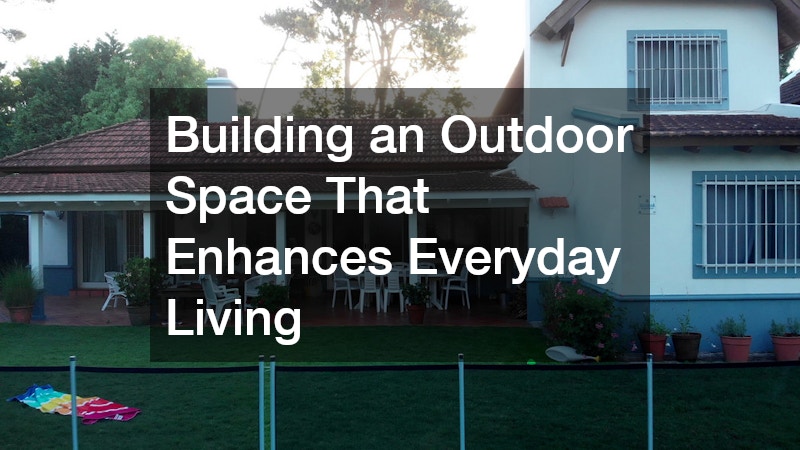
A well-designed outdoor area has the power to transform how you experience your home. It becomes more than just an extension of your property—it becomes a place where you can relax, connect, and create lasting memories.
By focusing on thoughtful design, quality materials, and long-term functionality, you can create a space that truly meets your needs. Whether you’re planning a full transformation or making gradual improvements, taking a strategic approach will always lead to better results.
In the end, the most successful outdoor spaces are those that feel both beautiful and purposeful, offering comfort and enjoyment for years to come.