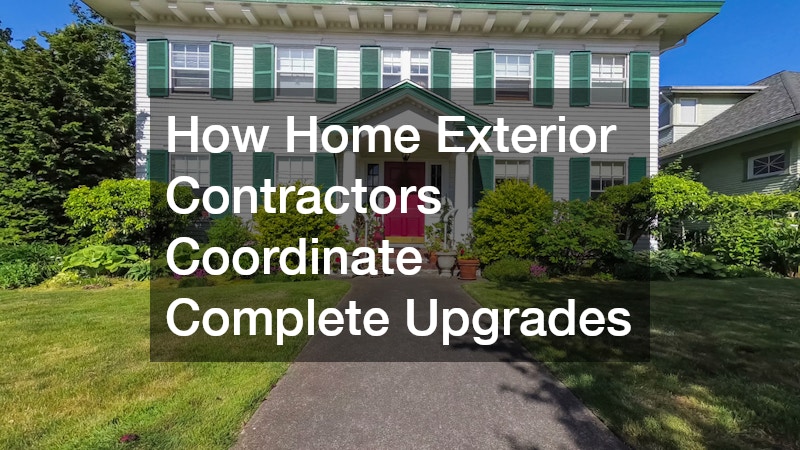
Upgrading a home’s exterior is rarely a single-project decision. Homeowners often discover that one improvement naturally leads to another, whether it’s roof work revealing drainage issues or tree maintenance exposing siding vulnerabilities. That interconnected nature is precisely why home exterior contractors play such a critical role in successful upgrades. Rather than approaching each task in isolation, experienced professionals understand how exterior systems function together and how to plan improvements that are efficient, durable, and visually cohesive.
From emergency tree removal after a storm to long-term investments like exterior waterproofing or roofing upgrades, exterior projects require careful coordination. Timing, safety, material compatibility, and budget considerations all influence how work is sequenced and executed. When these factors aren’t managed properly, homeowners can face delays, increased costs, or even structural issues down the line.
This article explores how home exterior contractors manage comprehensive exterior upgrades by aligning specialized services such as tree pruning, roofing service planning, garage door improvements, and window tinting. By understanding how these elements relate to one another, homeowners can make more informed decisions and feel confident that each improvement supports the next. With the right planning and professional oversight, exterior upgrades become a cohesive strategy rather than a series of disconnected projects.
What Is Emergency Tree Removal And Why Is It Necessary?
Identifying Emergency Situations
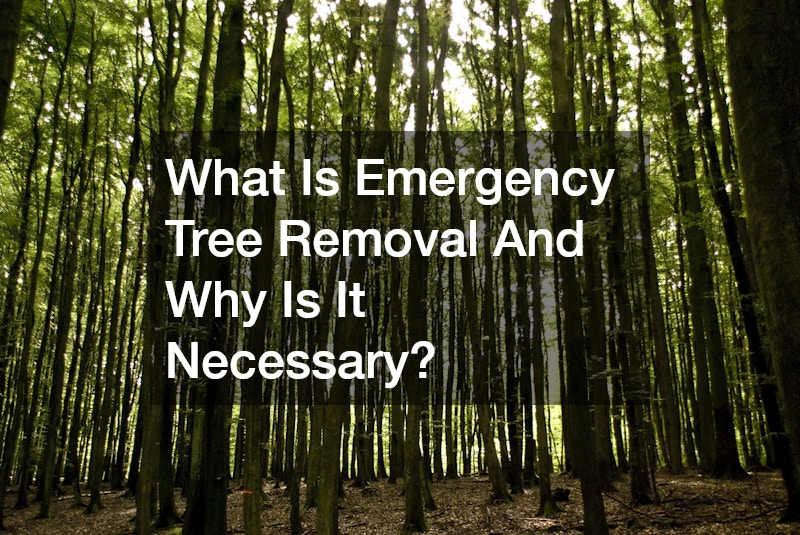
Emergency tree removal is required when a tree poses an immediate risk to people, structures, or utilities. This often occurs after severe weather, disease, or sudden structural failure. Leaning trees, cracked trunks, uprooted roots, or limbs hanging over a roof are common warning signs. Home exterior contractors frequently encounter these situations during inspections for roofing or siding projects, where hidden hazards become visible once work begins.
Beyond obvious storm damage, emergency conditions can also arise from long-term neglect. Trees weakened by rot or pests may appear stable until exterior work disturbs surrounding soil or exposes root systems. Addressing these risks promptly helps prevent damage to roofing, windows, and foundations while protecting crews and homeowners alike.
The Role Of Contractors In Tree Removal
While specialized arborists handle the physical process, home exterior contractors coordinate emergency tree removal as part of a larger project plan. They assess how tree removal affects access to roofs, gutters, and exterior walls and schedule work accordingly. This coordination ensures that roofing, waterproofing, and structural repairs can proceed safely without unnecessary delays.
Contractors also help homeowners understand how tree removal fits into long-term exterior planning. Clearing hazardous trees often opens opportunities for improved drainage, better sunlight exposure, and safer placement of exterior features. By managing logistics and sequencing, contractors prevent emergency situations from disrupting broader upgrade goals.
Safety Measures And Regulations
Emergency tree removal involves strict safety protocols and local regulations. Permits may be required depending on tree size, location, or environmental protections. Home exterior contractors ensure compliance by working with licensed professionals who understand regional rules and safety standards.
Proper equipment, protective barriers, and debris management are essential during removal. Contractors also plan for post-removal cleanup to protect roofing materials, landscaping, and walkways. This attention to detail minimizes risk while keeping the overall project moving forward efficiently.
How Does Tree Pruning Enhance Property Value?
Benefits Of Regular Tree Pruning
Tree pruning is a proactive service that supports both safety and aesthetics. Regular pruning reduces the likelihood of falling limbs, improves tree health, and prevents overgrowth from interfering with roofs or siding. For homeowners planning exterior upgrades, pruning often serves as a preparatory step that allows contractors to work more effectively.
Well-maintained trees enhance curb appeal, which directly influences property value. Balanced canopies, healthy growth patterns, and clear sightlines contribute to a polished exterior appearance. Home exterior contractors often recommend pruning as part of a comprehensive exterior improvement strategy rather than a standalone task.
Techniques Used By Professional Contractors
Professional tree pruning involves more than trimming visible branches. Contractors assess tree structure, growth patterns, and proximity to exterior features. Strategic cuts improve airflow and sunlight penetration while reducing stress on the tree.
Coordination between pruning professionals and home exterior contractors ensures that pruning aligns with roofing work, gutter installation, or exterior waterproofing projects. This collaboration prevents accidental damage and ensures that trees complement, rather than compromise, exterior improvements.
Seasonal Considerations For Tree Pruning
Timing plays a major role in effective tree pruning. Different species respond best to pruning during specific seasons, and weather conditions influence safety and accessibility. Contractors account for these factors when planning exterior projects to avoid delays or conflicts.
Seasonal planning also helps homeowners avoid emergency situations later. Proper pruning before storm seasons reduces the likelihood of emergency tree removal and protects roofing systems and exterior surfaces from unnecessary damage.
What Are The Benefits Of Exterior Waterproofing?

Preventing Water Damage
Exterior waterproofing is a foundational element of long-term home protection. By sealing vulnerable areas, waterproofing prevents moisture intrusion that can compromise basements, foundations, and exterior walls. Home exterior contractors often identify waterproofing needs during roofing or siding assessments.
Water damage rarely remains isolated. Moisture can weaken roofing materials, attract pests, and contribute to mold growth. Addressing waterproofing early helps protect other exterior investments and ensures that upgrades perform as intended.
Long-Term Cost Savings
Although exterior waterproofing requires upfront investment, it delivers significant cost savings over time. Preventing water damage reduces the need for structural repairs, interior remediation, and repeated exterior maintenance. Contractors help homeowners evaluate the long-term financial benefits when planning coordinated upgrades.
By integrating waterproofing with roofing service schedules or foundation work, contractors minimize labor overlap and reduce overall project costs. This efficiency is one of the key advantages of working with experienced home exterior contractors.
Different Types Of Waterproofing Solutions
Exterior waterproofing solutions vary based on soil conditions, climate, and home design. Options include membrane systems, drainage solutions, sealants, and grading adjustments. Contractors assess which approach best complements existing exterior features.
Selecting the right solution requires understanding how waterproofing interacts with roofing, landscaping, and structural elements. Coordinated planning ensures that waterproofing enhances overall performance without interfering with other upgrades.
How Do Residential Roofers Enhance Roof Longevity?
Regular Roof Maintenance
Residential roofers play a critical role in extending the lifespan of a home’s roof. Routine maintenance addresses minor issues before they escalate into major problems. Home exterior contractors often schedule roof evaluations alongside other exterior inspections to ensure comprehensive coverage.
Maintenance tasks such as cleaning debris, inspecting flashing, and checking ventilation contribute to overall roof health. These efforts protect waterproofing systems, siding, and structural components connected to the roof.
Advanced Roofing Techniques
Modern roofing techniques improve durability, energy efficiency, and weather resistance. Residential roofers use advanced installation methods and materials that withstand environmental stress. Contractors ensure these techniques align with other exterior upgrades, such as window tinting or insulation improvements.
By coordinating roofing work with related projects, home exterior contractors prevent redundant labor and ensure that each improvement supports the next.
Roof Inspection And Repair Services
Regular inspections help identify vulnerabilities that may affect other exterior systems. Loose shingles, damaged underlayment, or compromised seals can lead to water intrusion and structural damage.
Home exterior contractors rely on thorough inspection reports to plan sequencing and prioritize repairs. This collaborative approach ensures that roofing service decisions are informed by the broader condition of the home’s exterior.
What Should You Look For In A Roofing Service?
Choosing The Right Roofing Materials
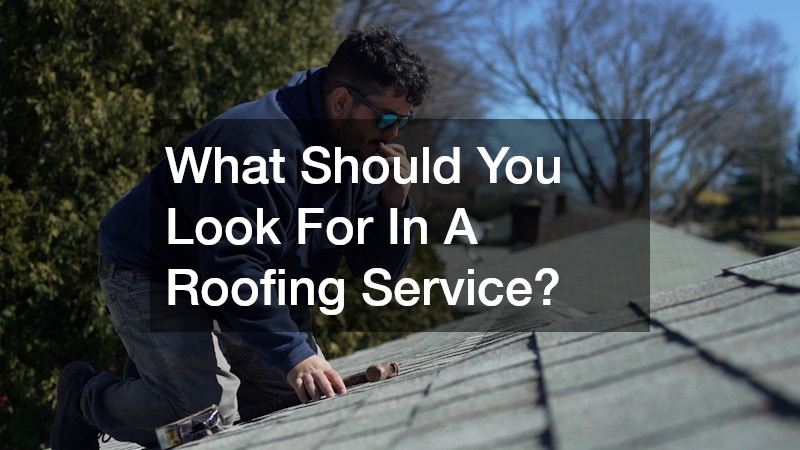
Selecting the right roofing materials is one of the most important decisions homeowners make during exterior upgrades. Materials influence durability, energy efficiency, appearance, and maintenance requirements. Home exterior contractors help homeowners compare options based on climate, architectural style, and long-term performance rather than short-term cost alone.
Roofing materials must also work in harmony with other exterior elements such as gutters, exterior waterproofing systems, and siding. Coordinated planning ensures proper water flow, structural compatibility, and visual consistency across the home’s exterior.
Importance Of Professional Certifications
Professional certifications indicate that a roofing service meets industry standards for installation, safety, and material handling. Certified professionals are trained to follow manufacturer guidelines, which helps preserve warranties and ensures consistent quality.
Home exterior contractors prioritize certified roofing service providers because their work affects multiple exterior systems. Proper installation reduces the risk of leaks, structural stress, and premature wear that could undermine other upgrades.
Evaluating Service Costs And Warranties
Cost comparisons should go beyond initial estimates. Warranties, service guarantees, and material lifespan all factor into long-term value. Contractors help homeowners evaluate roofing proposals holistically, ensuring that pricing aligns with quality and scope.
By integrating roofing service decisions into a broader upgrade plan, home exterior contractors help homeowners avoid piecemeal fixes that lead to higher costs over time.
How Do Local Roofers Impact Community Development?
Supporting Local Economy
Local roofers contribute directly to community growth by creating jobs and supporting nearby suppliers. Choosing local professionals keeps investment within the region while fostering accountability and long-term service relationships.
Home exterior contractors often rely on local roofers because of their familiarity with regional building codes, weather patterns, and material availability. This local expertise improves efficiency and project outcomes.
Customizing Services To Local Weather Conditions
Weather conditions vary significantly by region, influencing roofing design and material selection. Local roofers understand how seasonal temperature shifts, storms, and humidity affect roofing performance.
Home exterior contractors incorporate this knowledge when coordinating exterior upgrades. Roofing systems designed for local conditions protect waterproofing layers, insulation, and structural components more effectively.
Building Long-Term Customer Relationships
Strong relationships between homeowners, local roofers, and contractors support ongoing maintenance and future upgrades. Familiarity with a home’s exterior history allows professionals to anticipate issues and recommend timely improvements.
This continuity benefits homeowners by ensuring consistent quality and proactive care across multiple exterior projects.
Why Is Roofing Supplies Selection Critical?
Exploring Quality Vs. Cost
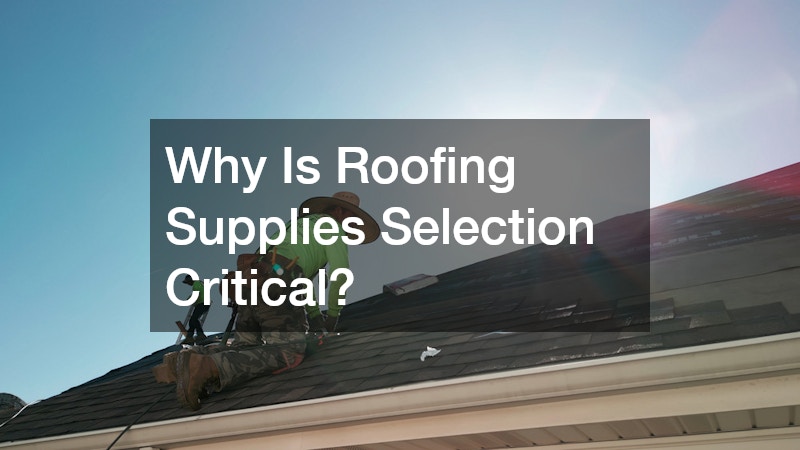
Roofing supplies vary widely in quality, durability, and price. While budget-friendly options may seem appealing, they often require more frequent repairs or replacement. Home exterior contractors guide homeowners toward supplies that balance affordability with long-term performance.
High-quality roofing supplies also support other exterior investments by providing reliable protection against moisture, wind, and temperature extremes.
Types Of Roofing Materials Available
Available roofing supplies include asphalt shingles, metal panels, tiles, and composite materials. Each option offers unique advantages depending on structural design and environmental exposure.
Contractors evaluate how chosen supplies interact with waterproofing systems, ventilation, and insulation to ensure optimal performance across the home’s exterior.
Sustainable Roofing Options
Sustainability is increasingly important for homeowners planning exterior upgrades. Eco-friendly roofing supplies improve energy efficiency, reduce environmental impact, and may qualify for incentives.
Home exterior contractors help homeowners explore sustainable options that align with performance goals while complementing window tinting and insulation improvements.
How Are Garage Doors Part Of Exterior Home Improvements?
Selecting The Right Garage Door Style
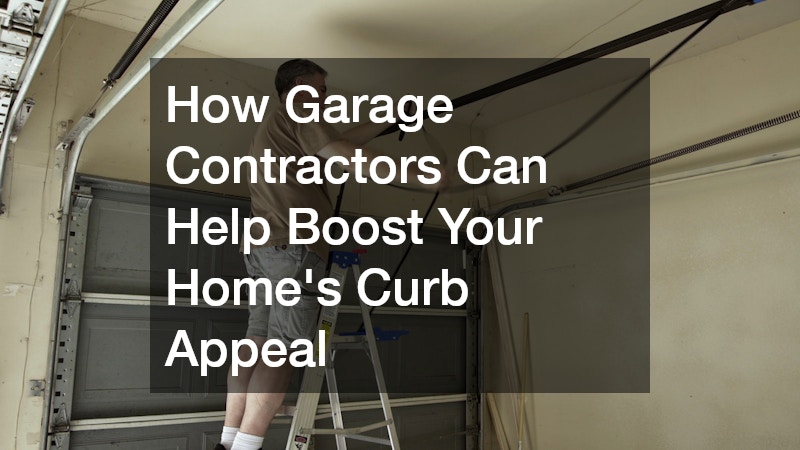
Garage doors significantly influence curb appeal and functionality. Style, color, and material should complement roofing, siding, and overall architectural design.
Home exterior contractors help homeowners select garage doors that enhance visual cohesion while meeting practical needs such as durability and insulation.
Installing With Precision
Proper installation is essential for safety, performance, and longevity. Misaligned doors can strain mechanical components and compromise security.
Coordinated installation ensures that garage door work aligns with other exterior upgrades, preventing interference with driveways, waterproofing, or structural elements.
Ensuring Security And Efficiency
Modern garage doors offer enhanced security features and improved energy efficiency. Insulated doors help regulate interior temperatures and reduce energy loss.
By incorporating garage door upgrades into a comprehensive plan, home exterior contractors ensure these improvements support overall home performance.
What Is Window Tinting And Its Benefits For Homes?
Energy Efficiency And Cost Savings
Window tinting improves energy efficiency by reducing heat gain and glare. This helps regulate indoor temperatures and lowers cooling costs during warmer months.
Home exterior contractors often recommend window tinting as a complementary upgrade alongside roofing and insulation improvements.
Enhancing Aesthetic Appeal And Privacy
Tinted windows add a sleek appearance while increasing privacy. They also protect interior furnishings from UV damage.
When coordinated with exterior design elements, window tinting enhances both form and function without altering architectural integrity.
Professional Installation Techniques
Professional installation ensures uniform coverage and long-lasting results. Improper application can lead to bubbling, peeling, or reduced effectiveness.
Contractors coordinate installation timing to avoid conflicts with other exterior work and ensure optimal results.
How To Coordinate Various Exterior Upgrades Efficiently?
The Role Of Planning And Consultation
Effective coordination begins with thorough planning and professional consultation. Home exterior contractors assess priorities, timelines, and dependencies between projects.
This planning prevents delays and ensures that each upgrade supports the overall strategy.
Coordinating With Multiple Contractors
Managing multiple specialists requires clear communication and scheduling. Contractors oversee sequencing to prevent overlap and minimize disruption.
Centralized coordination allows homeowners to focus on decisions rather than logistics.
Project Management For Homeowners
Strong project management keeps upgrades on schedule and within budget. Contractors monitor progress, address issues, and adjust plans as needed.
This oversight ensures cohesive results and a smoother homeowner experience.
Coordinating exterior upgrades requires more than technical skill; it demands strategic planning and a comprehensive understanding of how each system interacts. Home exterior contractors serve as the central organizers who align services such as emergency tree removal, roofing service coordination, exterior waterproofing, and window tinting into a unified improvement plan. Their role extends beyond individual tasks, ensuring that upgrades are sequenced correctly and executed with long-term performance in mind.