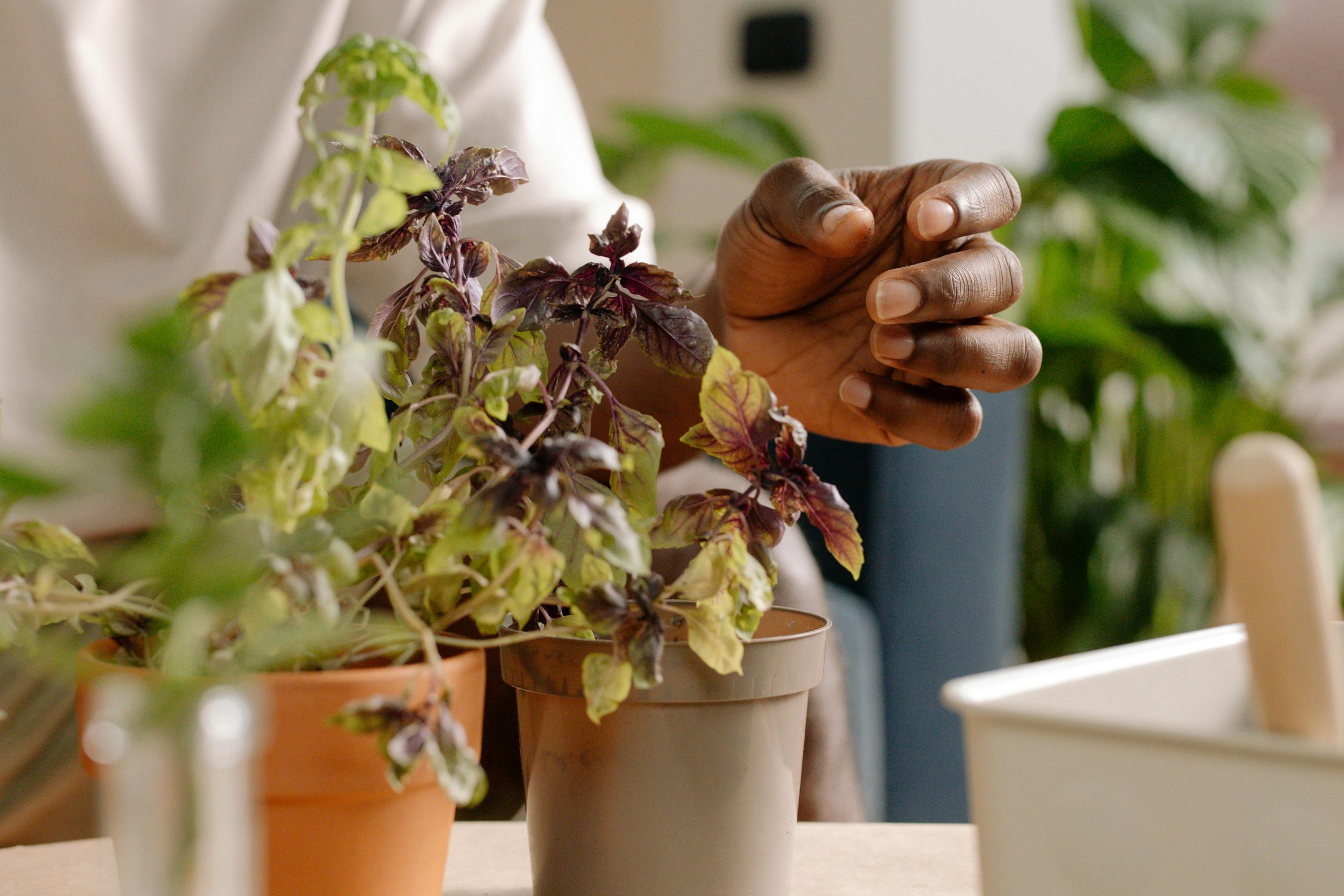
Basil is one of the easiest and most rewarding herbs to grow. Its fresh scent and flavor can elevate any dish, and it grows well in gardens, containers, and even kitchen windowsills. But when those vibrant green leaves start turning yellow, it can be frustrating—and confusing.
If your basil isn’t looking its best, don’t worry. Yellow leaves are usually a sign that something in the plant’s environment or care routine needs adjusting. The good news? Most of these issues are easy to fix once you know what to look for.
Let’s walk through the most common reasons your basil is turning yellow and what you can do to bring it back to life.
1. Overwatering Your Basil
One of the most common causes of yellow basil leaves is overwatering.
Basil likes moist soil, but it does not like sitting in water. When the roots stay too wet, they can’t get enough oxygen. This leads to root stress—and eventually, yellowing leaves.
Signs of overwatering:
- Yellowing leaves, especially at the bottom
- Soft, droopy stems
- Soil that feels constantly wet
- A musty or sour smell from the soil
How to fix it:
- Let the top 1–2 inches of soil dry out before watering again
- Make sure your pot has drainage holes
- Use well-draining soil (a mix made for herbs or vegetables works best)
If the problem continues, you may need to repot your basil with fresh soil to prevent root rot.
2. Underwatering and Dry Soil
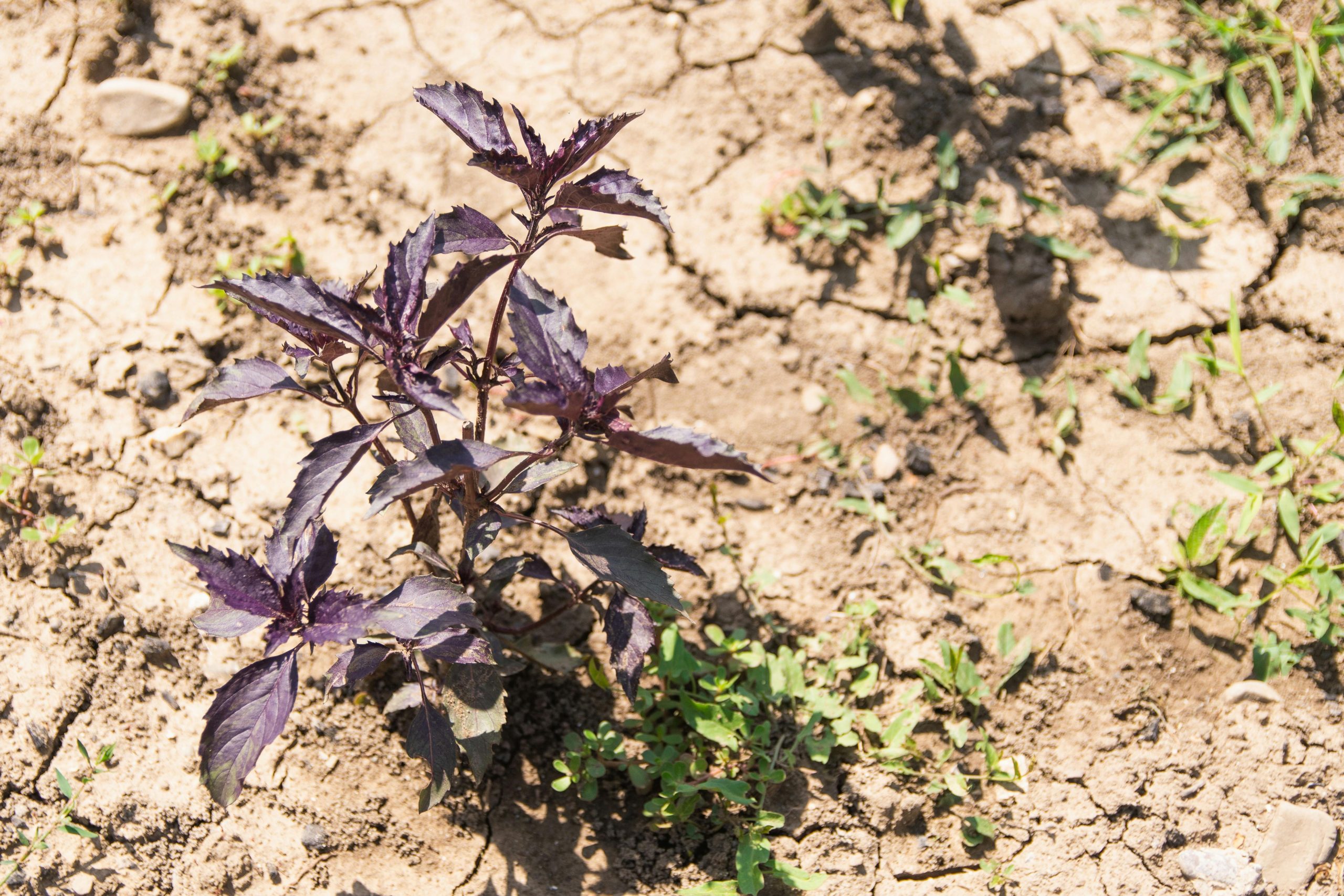
On the flip side, basil can also turn yellow if it’s not getting enough water.
Dry soil puts stress on the plant and prevents it from taking in nutrients properly. This can cause leaves to yellow, curl, and eventually fall off.
Signs of underwatering:
- Dry, crumbly soil
- Leaves that look wilted or crispy
- Slower growth
If you’ve been wondering why basil is wilting, underwatering is often a key reason—especially during hot weather.
How to fix it:
- Water deeply until water drains from the bottom
- Check soil daily during hot or windy conditions
- Consider mulching to help retain moisture
Consistency is key. Basil prefers evenly moist soil, not extreme wet-dry cycles.
3. Not Enough Sunlight
Basil is a sun-loving plant. It needs at least 6–8 hours of direct sunlight each day.
If your basil isn’t getting enough light, it may start to look pale or yellow. Growth may also become weak and leggy.
Signs of low light:
- Yellow or light green leaves
- Thin, stretched stems
- Slow or uneven growth
How to fix it:
- Move your basil to a sunnier spot
- If indoors, place it near a south-facing window
- Consider using a grow light if natural sunlight is limited
More sunlight usually leads to stronger, greener plants.
4. Poor Soil Quality or Nutrient Deficiency
Basil needs nutrients to grow healthy, green leaves. If the soil is lacking key nutrients—especially nitrogen—the leaves can turn yellow.
Nitrogen is important for leaf growth and color. Without it, your basil may struggle to stay vibrant.
Signs of nutrient deficiency:
- Yellowing leaves, often starting with older ones
- Weak growth
- Smaller leaves than usual
How to fix it:
- Use a balanced liquid fertilizer every 2–4 weeks
- Add compost or organic matter to your soil
- Avoid over-fertilizing, which can also harm the plant
Healthy soil makes a big difference in how your basil looks and grows.
5. Temperature Stress
Basil is sensitive to temperature changes. It thrives in warm conditions but can suffer when it gets too cold—or too hot.
Cold stress:
If temperatures drop below 50°F (10°C), basil can develop yellow leaves and stop growing.
Heat stress:
Extreme heat can also cause stress, especially if combined with dry soil.
How to fix it:
- Keep basil in a warm, stable environment
- Bring potted plants indoors during cold nights
- Provide shade during extreme heat waves
Stable conditions help basil stay healthy and green.
6. Pests and Plant Diseases
Sometimes, yellow leaves are caused by pests or diseases.
Common basil pests include aphids, spider mites, and whiteflies. These insects feed on plant sap, weakening the plant and causing discoloration.
Fungal diseases, like downy mildew, can also cause yellowing and spotting.
Signs of pests:
- Tiny bugs on leaves or stems
- Sticky residue (honeydew)
- Speckled or damaged leaves
Signs of disease:
- Yellow patches or spots
- Mold or fuzzy growth under leaves
- Rapid leaf drop
How to fix it:
- Rinse pests off with water or use insecticidal soap
- Remove affected leaves
- Improve air circulation around the plant
- Avoid watering leaves directly
Catching problems early makes them much easier to manage.
7. Root Bound Plants
If your basil is growing in a pot, it may outgrow its container.
When roots become crowded, they can’t absorb water and nutrients properly. This can lead to yellowing leaves and stunted growth.
Signs your basil is root bound:
- Roots growing out of drainage holes
- Soil dries out very quickly
- Plant looks too big for its pot
How to fix it:
- Repot your basil into a larger container
- Gently loosen the roots before replanting
- Add fresh, nutrient-rich soil
Giving your basil more space can quickly improve its health.
8. Natural Aging of Leaves
Not all yellow leaves are a sign of a problem.
Sometimes, older leaves at the bottom of the plant turn yellow and fall off as part of the plant’s natural life cycle.
What to look for:
- Only a few lower leaves are yellow
- New growth at the top looks healthy and green
What to do:
- Simply prune off the yellow leaves
- Continue your regular care routine
If the rest of the plant looks healthy, there’s usually no need to worry.
9. Overcrowding and Poor Airflow
If your basil plants are too close together, they may compete for light, water, and nutrients. Poor airflow can also increase the risk of disease.
Signs of overcrowding:
- Yellowing leaves in the middle of the plant
- Damp conditions that don’t dry out easily
- Increased pest or disease problems
How to fix it:
- Space plants properly when planting
- Thin out crowded areas
- Prune regularly to improve airflow
A little breathing room can go a long way.
When to Harvest Basil for Best Growth and Flavor
Knowing when and how to harvest basil plays a big role in keeping your plant healthy and preventing yellow leaves. Regular harvesting not only gives you fresh herbs to use but also encourages the plant to grow fuller and stronger.
The best time to start harvesting basil is when the plant has at least 6–8 healthy leaves. Instead of picking individual leaves at random, cut just above a leaf node (where two leaves grow from the stem). This helps the plant branch out and produce more leaves over time.
Try to harvest basil often, even if you don’t need it right away. Frequent trimming prevents the plant from becoming tall and leggy, which can lead to weaker growth and fewer leaves. It also delays flowering, which is important because once basil starts to flower, the leaves may lose flavor and the plant may slow down.
Avoid removing more than one-third of the plant at a time. Taking too much can stress the basil and cause yellowing or stunted growth.
By harvesting the right way and at the right time, you’ll keep your basil productive, flavorful, and looking vibrant throughout the growing season.
How to Keep Your Basil Green and Healthy
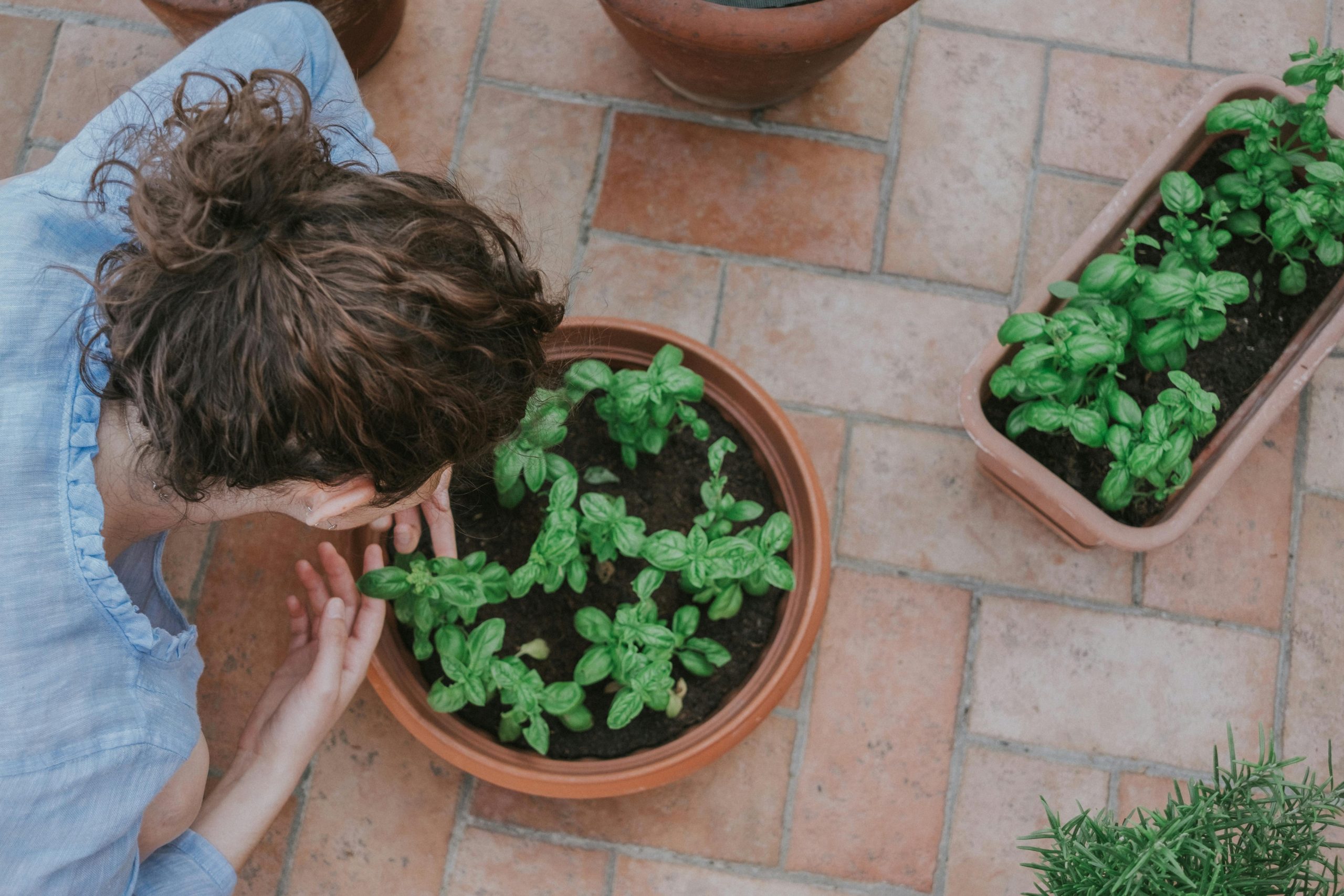
Now that you know what might be causing yellow leaves, here are some simple tips to keep your basil thriving:
Water consistently, but don’t overdo it
Basil prefers evenly moist soil, so check it regularly by feeling the top inch of soil. If it’s dry, it’s time to water. Always water deeply until it drains out the bottom, but avoid letting the plant sit in excess water. Too much moisture can lead to root problems, while too little can stress the plant.
Make sure your plant gets plenty of sunlight
Basil needs at least 6–8 hours of direct sunlight each day to stay healthy. If you’re growing it indoors, place it near a bright, sunny window. If natural light is limited, a grow light can help support strong, green growth.
Use well-draining, nutrient-rich soil
Good soil helps prevent both overwatering and nutrient issues. Choose a light potting mix designed for herbs or vegetables, and consider adding compost for extra nutrients. Well-draining soil allows roots to breathe and grow properly.
Fertilize occasionally, but not too much
Basil benefits from light feeding every 2–4 weeks. Use a balanced liquid fertilizer to support healthy leaf growth. Be careful not to over-fertilize, as this can weaken the plant and affect its flavor.
Watch for pests and act quickly if you spot them
Check your basil regularly for common pests like aphids or spider mites. Look under leaves and along stems. If you notice any, rinse them off with water or use a gentle insecticidal soap before the problem spreads.
Prune regularly to encourage new growth
Frequent pruning helps basil grow fuller and bushier. Pinch off the top leaves just above a leaf node to promote branching. This not only improves the plant’s shape but also increases your harvest.
Healthy basil plants grow quickly and produce lots of fresh leaves when cared for properly.
Final Thoughts
Yellow leaves on basil can feel like a setback, but they’re often just a signal that something needs adjusting. Whether it’s too much water, not enough sunlight, or a nutrient issue, most problems are easy to fix once you identify the cause.
Take a close look at your plant’s environment and care routine. Small changes can make a big difference—and before long, your basil should be back to its lush, green self.
With the right care, you’ll be harvesting fresh, flavorful basil again in no time.