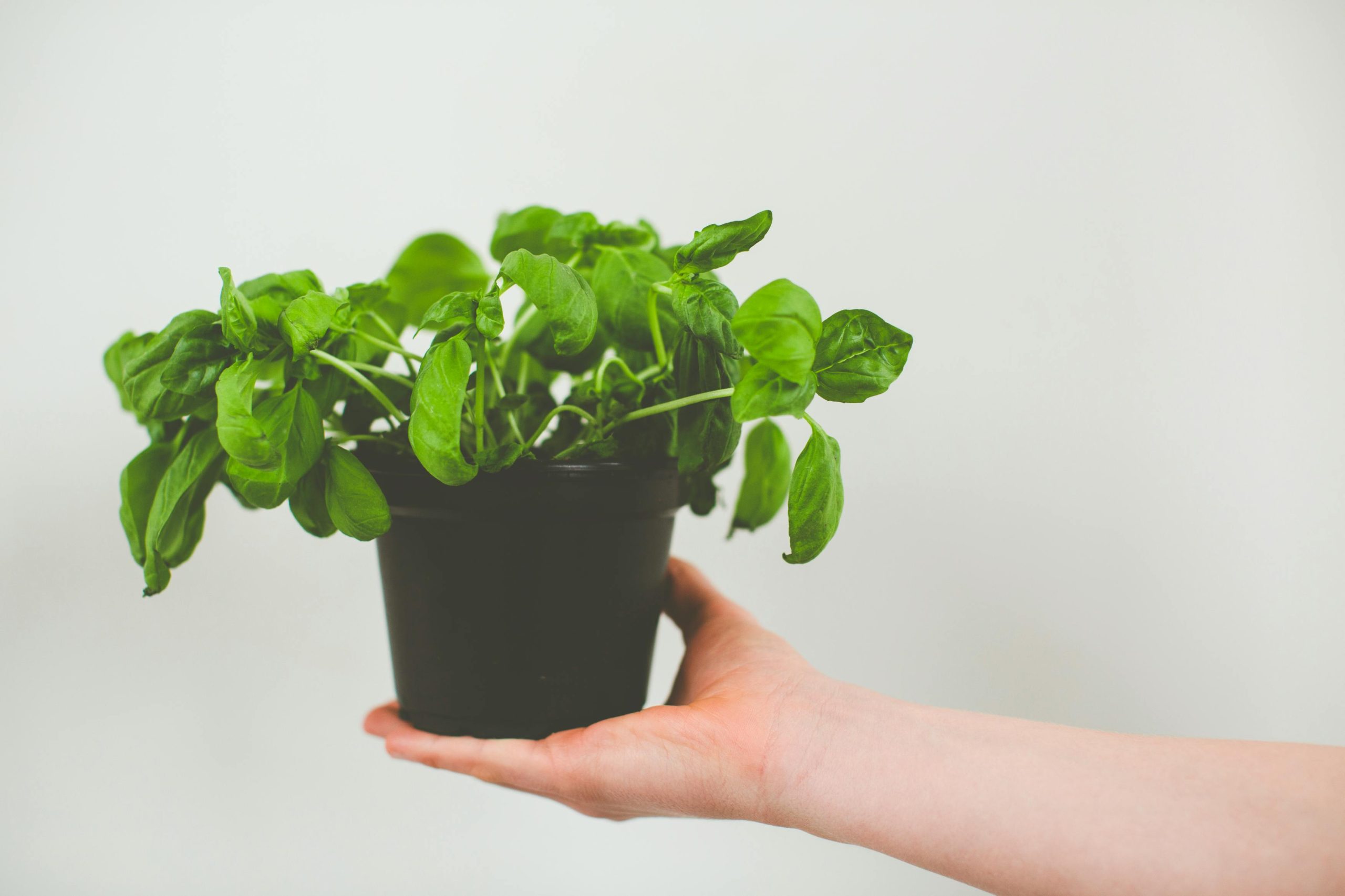
Basil is the undisputed king of the summer herb garden. There is nothing quite like the smell of fresh basil leaves on a warm afternoon, and nothing tastes better than homemade pesto or a fresh Caprese salad. Because it grows so fast and smells so good, it is often the first plant a new gardener buys.
However, basil is also a bit of a “drama queen.” You can walk outside and see your basil standing tall and proud at noon, only to find it slumped over and looking half-dead by four o’clock. When basil wilts, it is sending you a distress signal. It is telling you that something in its environment—the sun, the soil, or the water—is not right.
In this guide, we are going to play detective. We will look at the most common reasons for a wilting basil plant and provide simple, effective tips to bring your herbs back to life. By the end of this article, you will know how to keep your basil lush, green, and ready for your next kitchen masterpiece.
1. The Thirst Factor: Underwatering
The most common reason for a wilting basil plant is simply that it is thirsty. Basil has very soft, thin leaves that lose moisture quickly, especially on a hot day.
- The Telltale Signs: If the leaves are droopy and feel limp like wet tissue paper, but they are still bright green, your plant is likely just dehydrated.
- The “Finger Test”: Stick your finger one inch into the soil. If the dirt feels dry and crumbly, it is time to water.
- The Quick Fix: Give the plant a deep, thorough soaking. Within an hour or two, the water travels up the stem, fills the cells in the leaves, and the plant “pops” back up.
2. The “Drowning” Problem: Overwatering
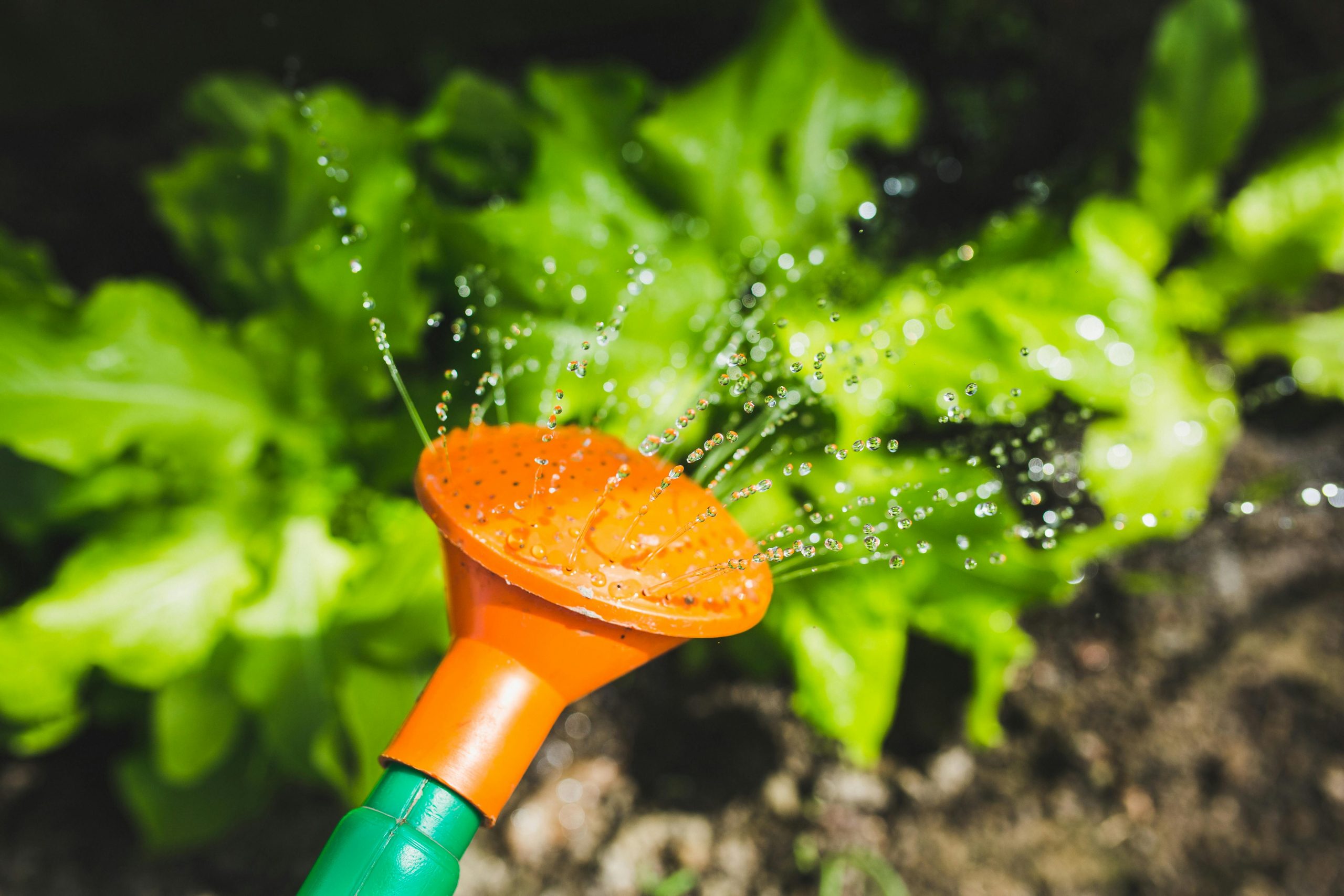
Believe it or not, a plant that has too much water looks almost exactly like a plant that has too little. This is where many gardeners make a mistake. They see a wilting plant and add more water, which actually finishes the plant off.
- Root Rot: If the soil is always soggy, the roots can’t breathe. They literally drown and begin to rot. When the roots rot, they can no longer send water up to the leaves, so the plant wilts.
- The Difference: If your basil is wilting but the leaves are starting to turn yellow or look a bit “mushy,” you are probably overwatering.
- The Fix: Stop watering immediately. Let the soil dry out until the top inch is bone dry. If the plant is in a pot, make sure there are plenty of drainage holes at the bottom so extra water can escape.
3. Sunlight Needs: Too Much or Too Little?
Basil is a tropical plant that loves the sun, but even a sun-lover has its limits.
- The Sweet Spot: Basil needs 6 to 8 hours of full sun every day. If it is in a shady spot, the stems will become “leggy” (long and thin) and will eventually collapse under their own weight.
- The Midday Scorch: In very hot climates (like Arizona or Texas), the intense afternoon sun can be too much. If your basil wilts every day at 2:00 PM but recovers by morning, it is suffering from “heat stress.”
- The Fix: If you live in a very hot area, try to give your basil “morning sun” and “afternoon shade.” This gives the plant the energy it needs without baking it in the harshest heat of the day.
4. Soil Quality: The Foundation of Health
Basil isn’t too picky, but it won’t grow in just any dirt. If your soil is hard like a brick or empty of nutrients, your plant will struggle.
- Nutrient Deficiency: If your soil is “tired” and old, the plant won’t have the minerals it needs to stay strong. Nitrogen is what keeps leaves green and sturdy.
- The Fix: Mix in some organic compost or a balanced, liquid fertilizer once every two weeks during the growing season. This acts like a multivitamin for your herbs.
- Drainage is Key: Basil hates “wet feet.” If your soil is heavy clay, it traps water around the roots. Use a high-quality potting mix that contains perlite (the little white “popcorn” rocks) to help the water move through.
5. Temperature Tantrums: Cold Shocks
Basil is extremely sensitive to the cold. If you live in a place where the nights are still chilly, your basil might wilt as a reaction to the temperature.
- The 50-Degree Rule: If the temperature drops below 50°F (10°C), basil starts to get unhappy. If it hits 32°F (0°C), the plant will turn black and die almost instantly.
- The Fix: Don’t plant your basil outside until the nights are consistently warm. If a surprise cold snap happens, cover your plants with a “frost blanket” or bring your pots inside the garage for the night.
6. Pot Size and Root Bound Issues
If you are growing basil in a container, the size of the “house” matters.
- Crowded Roots: Basil grows a surprisingly large root system. If the pot is too small, the roots will start growing in circles, “choking” the plant. This makes it impossible for the plant to get enough water and nutrients, leading to constant wilting.
- The Fix: A single basil plant needs a pot that is at least 8 to 10 inches deep. If you see roots growing out of the bottom drainage holes, it is time to move your plant to a bigger home.
7. Pests and Diseases: The Hidden Attackers
Sometimes, wilting isn’t about your care—it’s about an intruder.
- Aphids and Mites: These tiny bugs suck the juice out of the stems. If a plant loses enough juice, it wilts. Look under the leaves for tiny bumps or sticky “honeydew.”
- Fusarium Wilt: This is a serious fungus that lives in the soil. It blocks the “veins” of the plant. If your basil wilts suddenly, and the stem has dark brown streaks on it, it might have this disease. Sadly, there is no cure for Fusarium—you have to throw the plant away and start fresh in a different spot.
8. The Art of Pruning
Did you know that not cutting your basil can actually make it wilt?
- The “Flowering” Problem: When a basil plant gets old, it tries to grow flowers and seeds. The plant puts all its energy into the flowers, and the leaves start to get small, bitter, and droopy.
- The Fix: “Pinch” your basil regularly. Every time a stem gets 6 inches long, snip off the top inch. This tells the plant to grow “out” instead of “up,” making it bushy and strong. Always pinch off any flower buds the moment you see them.
9. Humidity and Airflow
Because basil has soft leaves, it likes a bit of humidity in the air. However, too much humidity without airflow can lead to “Downy Mildew.”
- Downy Mildew: This looks like a gray, fuzzy mold on the underside of the leaves. It causes the leaves to turn yellow and wilt downward.
- The Fix: Give your plants space! Don’t crowd them together. Good airflow allows the leaves to dry out after a rainstorm, which prevents mold from taking hold.
10. Transplant Shock
If you just moved your basil from a small nursery pot into your garden, it might wilt for a day or two. This is called “transplant shock.” The roots are adjusting to the new soil and the new environment.
- The Fix: The best way to prevent this is to transplant on a cloudy day or in the late evening. This gives the plant all night to recover before it has to face the hot sun. Give it a good drink of water right after planting to help settle the roots.
Summary Table:
| Sign | Likely Cause | The Fix |
| Limp, green leaves; dry soil | Underwatering | Deep soak immediately |
| Wilting, yellow leaves; soggy soil | Overwatering | Let dry out; check drainage |
| Wilting in afternoon sun only | Heat Stress | Provide afternoon shade |
| Sudden wilting with black stems | Cold Shock | Keep above 50°F |
| Gray fuzz under leaves | Downy Mildew | Improve airflow; keep leaves dry |
The ROI of a Healthy Herb Garden
In a garden care blog, we often talk about the value of a beautiful yard. But the “return on investment” for a healthy basil plant is found in your kitchen. One healthy basil plant can provide enough leaves for an entire summer of cooking. By learning to read the “body language” of your plant, you can save money on store-bought herbs and enjoy the freshest flavors possible.
A wilting plant is not a failure; it is a lesson. It is your plant’s way of teaching you what it needs to thrive.
Conclusion
Your basil plant wants to grow. It is a tough, fast-growing herb that is eager to fill your garden with color and scent. If you see it wilting, don’t panic. Check the soil moisture, look at the sun exposure, and make sure the temperature is right.
Most of the time, a quick drink of water or a move to a sunnier (or shadier) spot is all it takes to bring your basil back to life. With a little bit of attention and some regular pruning, you will have a “picture-perfect” herb garden all summer long.
Keep your eye on the leaves, keep your fingers in the soil, and enjoy the harvest. There is nothing quite like the pride of growing your own ingredients!